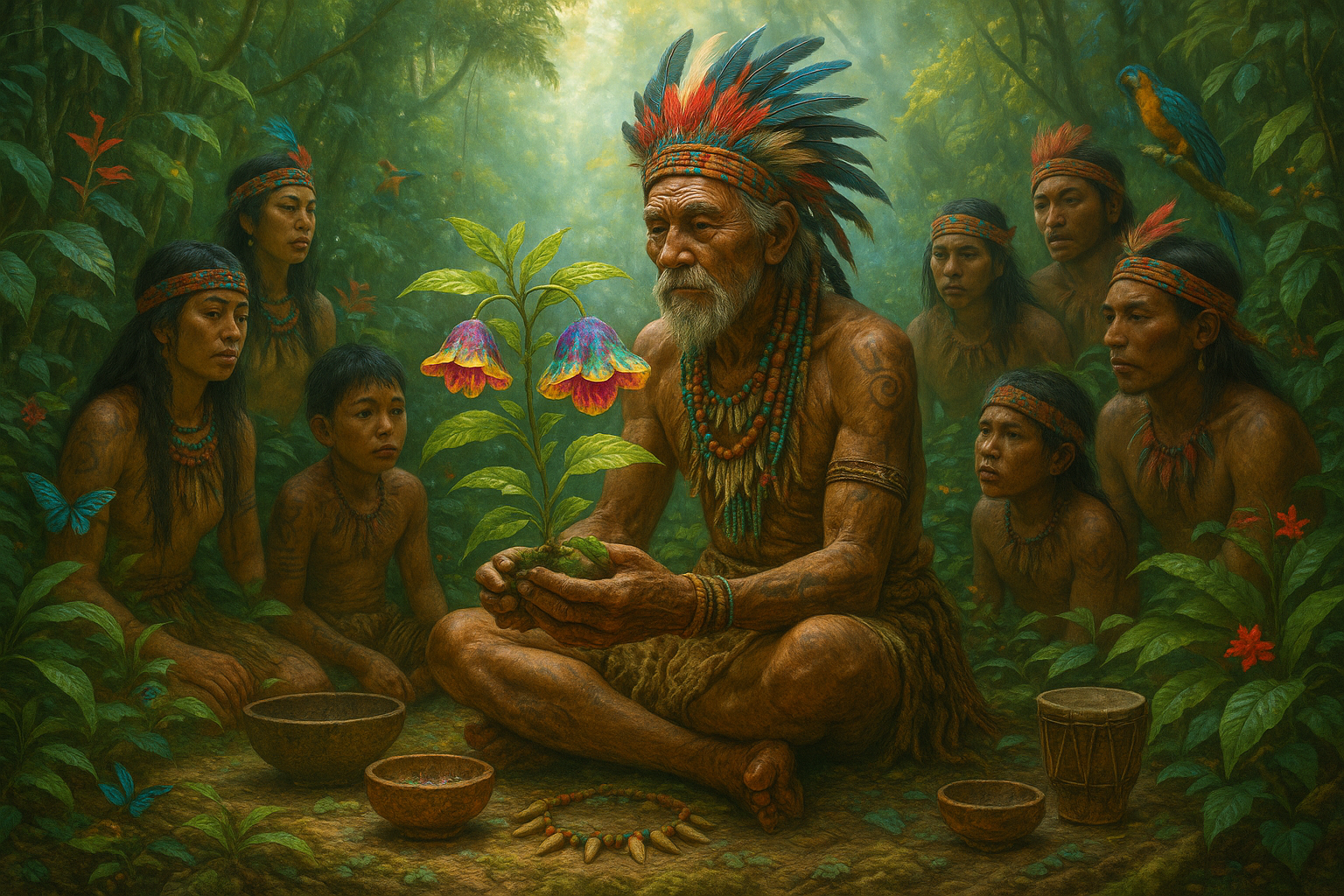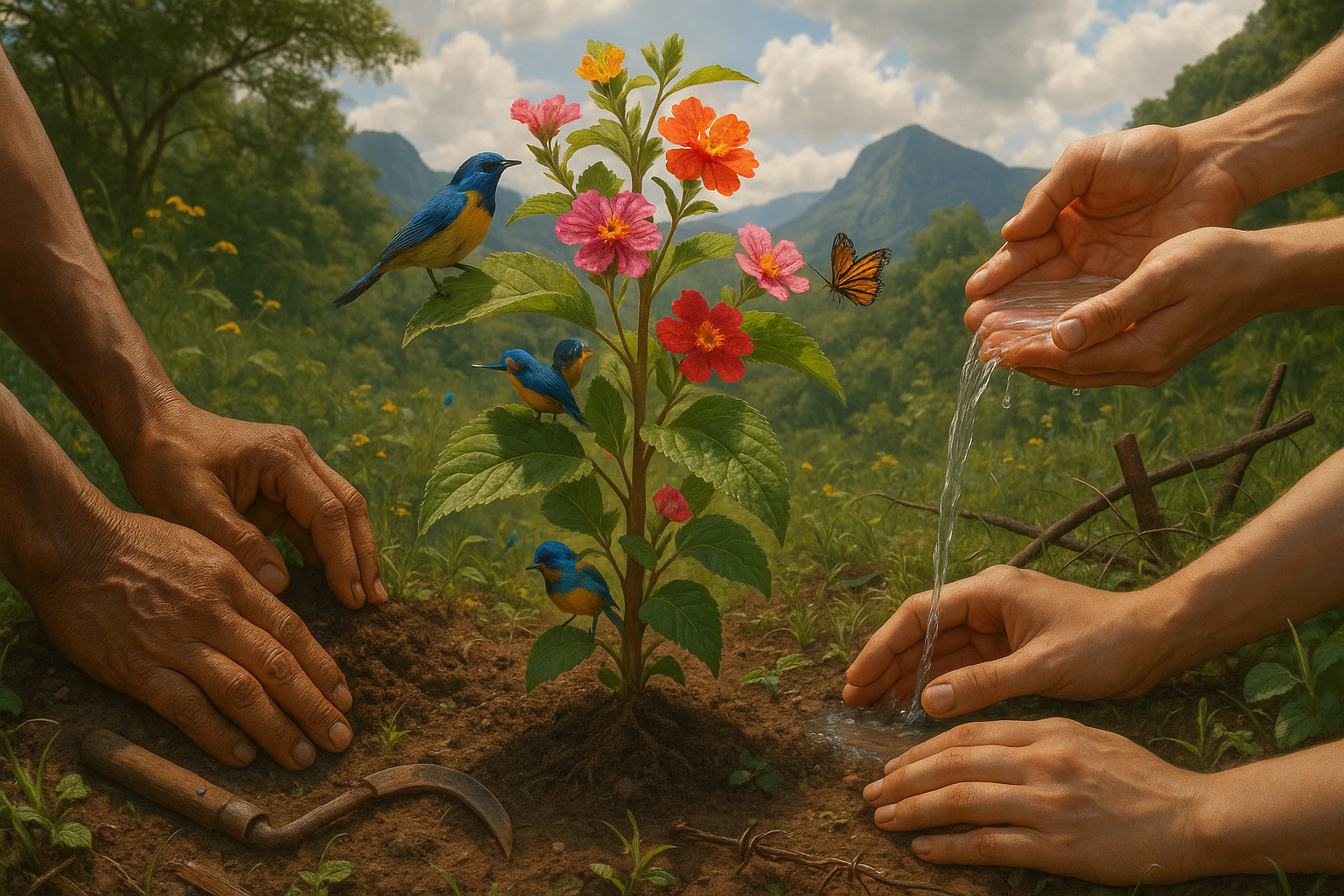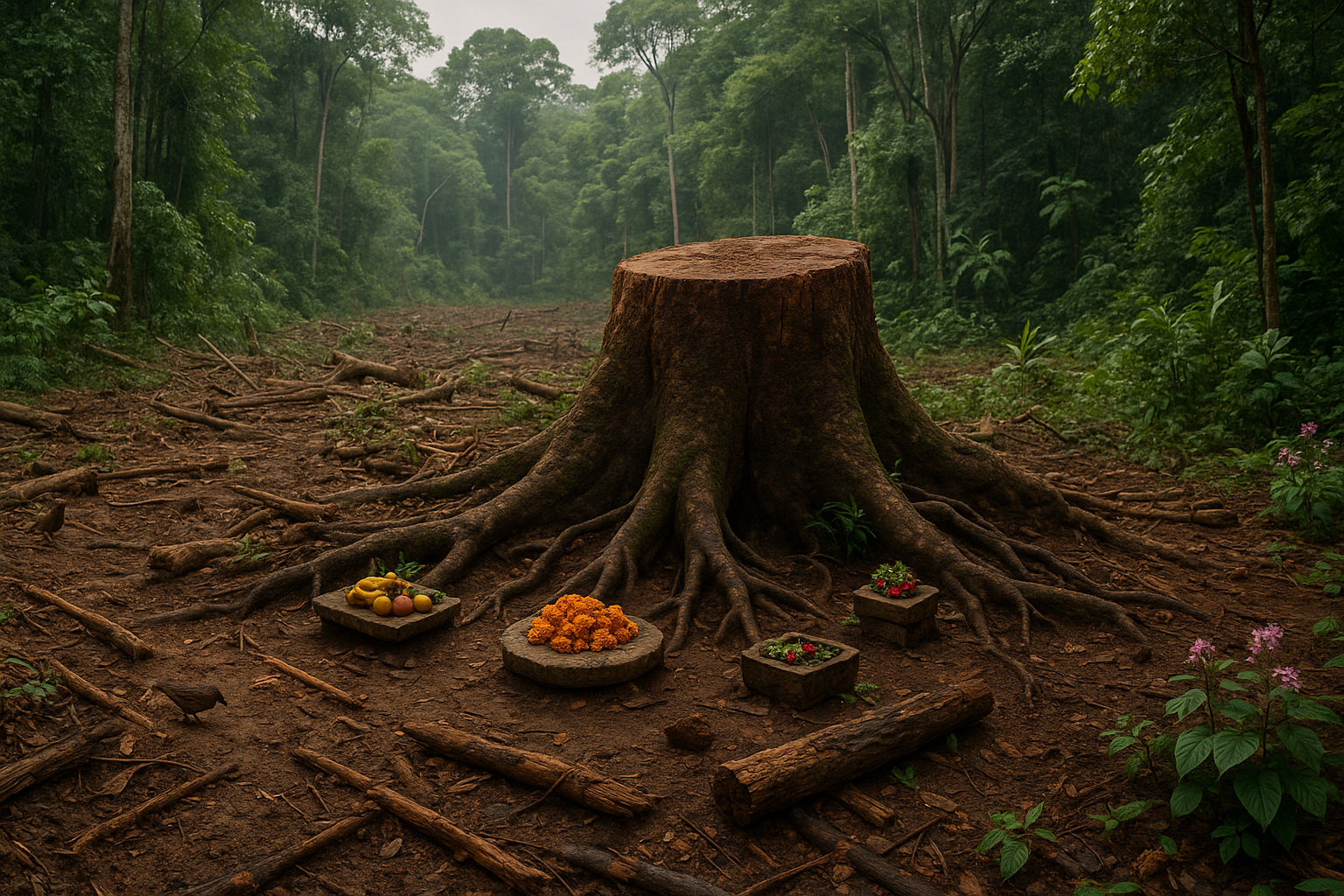
In the heart of every forest, amidst the rustling leaves and whispering winds, lies a world shrouded in mystery and enchantment. This world, often overlooked by the untrained eye, is rich with tales that blur the lines between reality and folklore. Welcome to the mystical realm of chimeric plant legends, where nature’s creativity knows no bounds and every leaf tells a story.

🌿 Picture this: a plant that seems to dance between two worlds, exhibiting traits that defy conventional botanical understanding. These chimeric plants, often seen as the mystical shape-shifters of the plant kingdom, captivate us with their dual nature. They are the embodiment of nature’s storytelling, each a living tapestry woven with threads of myth, science, and wonder.
Throughout history, cultures across the globe have been mesmerized by the enchanting qualities of these plants. From the ancient civilizations that revered them as sacred symbols to modern-day horticulturists who marvel at their genetic complexities, chimeric plants have never ceased to inspire awe. But what exactly makes these botanical wonders so special, and why do they continue to captivate our imagination? 🤔
In this article, we embark on an extraordinary journey through the enigmatic world of chimeric plants. We will delve into the fascinating science behind their existence, exploring the genetic marvels that give rise to their unique characteristics. Understanding the biological foundations of these plants will shed light on how they have come to symbolize transformation and duality in various cultural narratives.
As we peel back the layers of science, we will also unravel the rich tapestry of myths and legends that surround these botanical enigmas. From the alluring tales of the mandrake, a plant believed to scream when uprooted, to the magical properties attributed to the fabled fern flower, chimeric plants have often been the protagonists in stories that blur the lines between fantasy and reality. These legends, passed down through generations, reflect our deep-seated fascination with the unknown and the mystical.
Furthermore, we will explore the symbolic meanings that chimeric plants hold in different cultures. In some societies, they are seen as omens or protectors, while in others, they are associated with themes of duality and balance. This symbolic richness adds another layer of intrigue, inviting us to ponder the deeper connections between humans and the natural world.
But our exploration doesn’t end with legends and symbolism. We will also examine the practical aspects of cultivating chimeric plants. What challenges do horticulturists face when attempting to grow these marvels, and what secrets do they hold for the future of sustainable agriculture and biodiversity? 🌱
By the end of this journey, you will have a deeper appreciation for the magic that chimeric plants bring to our world. You will see them not just as botanical curiosities, but as powerful symbols of nature’s ability to surprise and inspire. Whether you are a seasoned botanist, a folklore enthusiast, or simply a curious soul, the world of chimeric plants promises to enchant and enlighten.
So, prepare to embark on a voyage through verdant landscapes and ancient tales, where science meets myth, and reality dances with fantasy. Let us discover together the enchanting stories behind nature’s most magical creations and uncover the secrets that lie within the mystical world of chimeric plant legends.
Conclusion
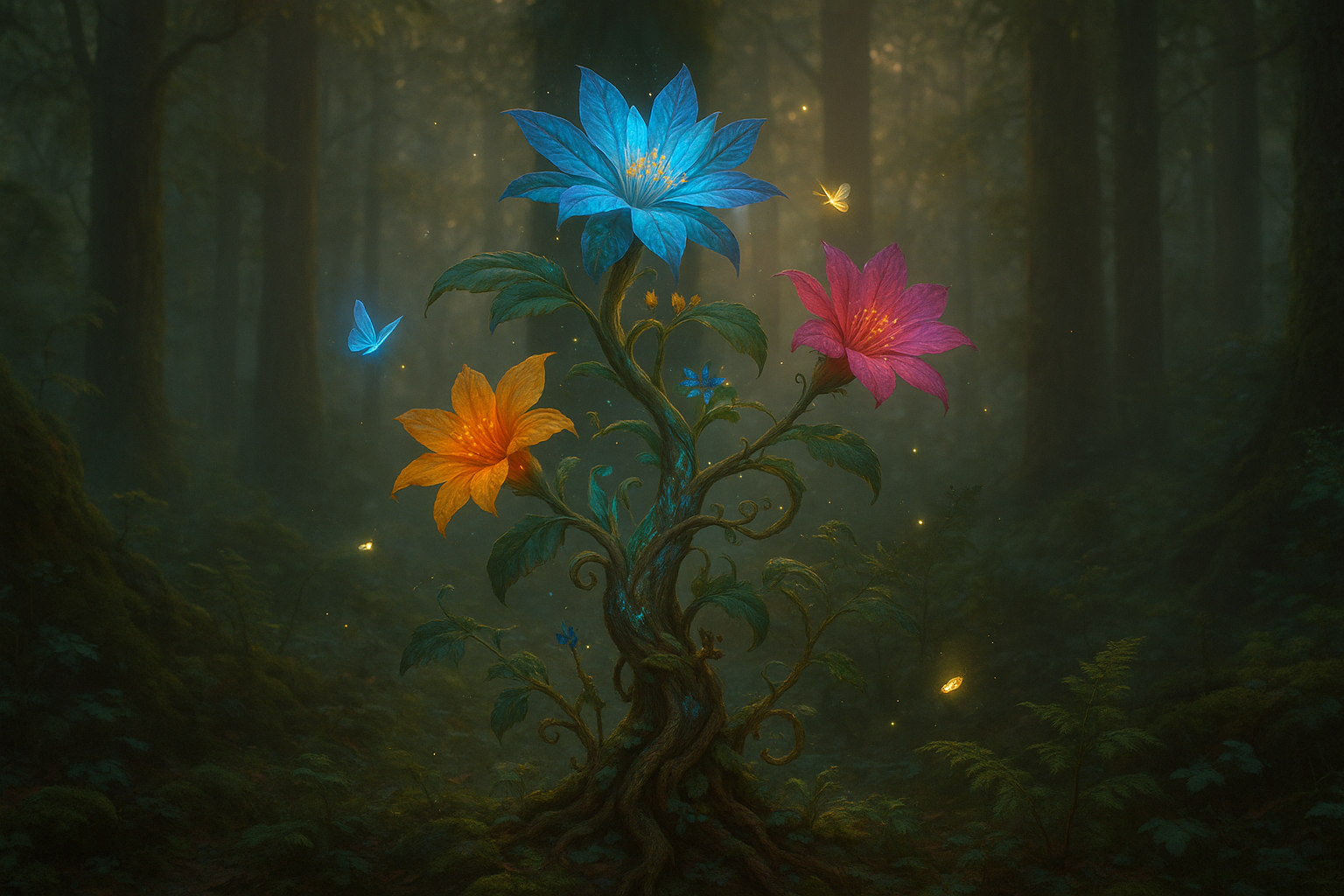
As we conclude our exploration of chimeric plant legends, it’s clear that these hybrid creations — half myth, half marvel — reflect humanity’s ancient fascination with nature’s transformative power. Across cultures, tales of plants that possessed human traits, animal strength, or divine consciousness symbolized both awe and caution toward the mysteries of life’s interconnection.
The true allure of these chimeric plants lies in their blend of biology and imagination. 🌎💫 Legends of trees that bled, flowers that spoke, and vines that felt emotion echo the deep spiritual understanding that nature is alive and responsive. In modern times, the concept finds new form in genetic science and ecological symbiosis, where life itself proves to be more fluid than fixed. Ultimately, unveiling chimeric plant legends invites us to see myth and science not as opposites, but as parallel stories — both seeking to explain the same eternal truth: that all life is connected, adaptive, and endlessly creative.