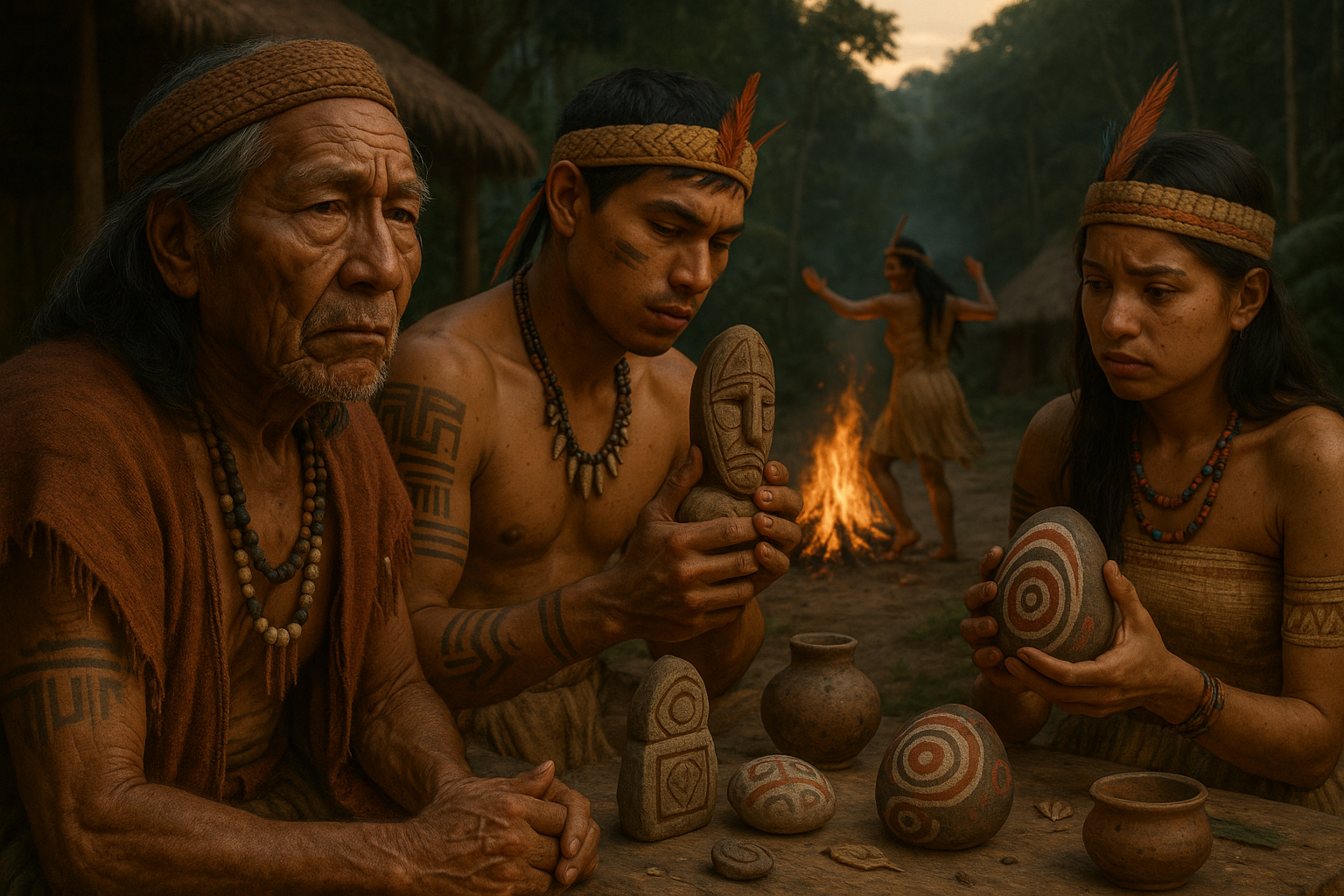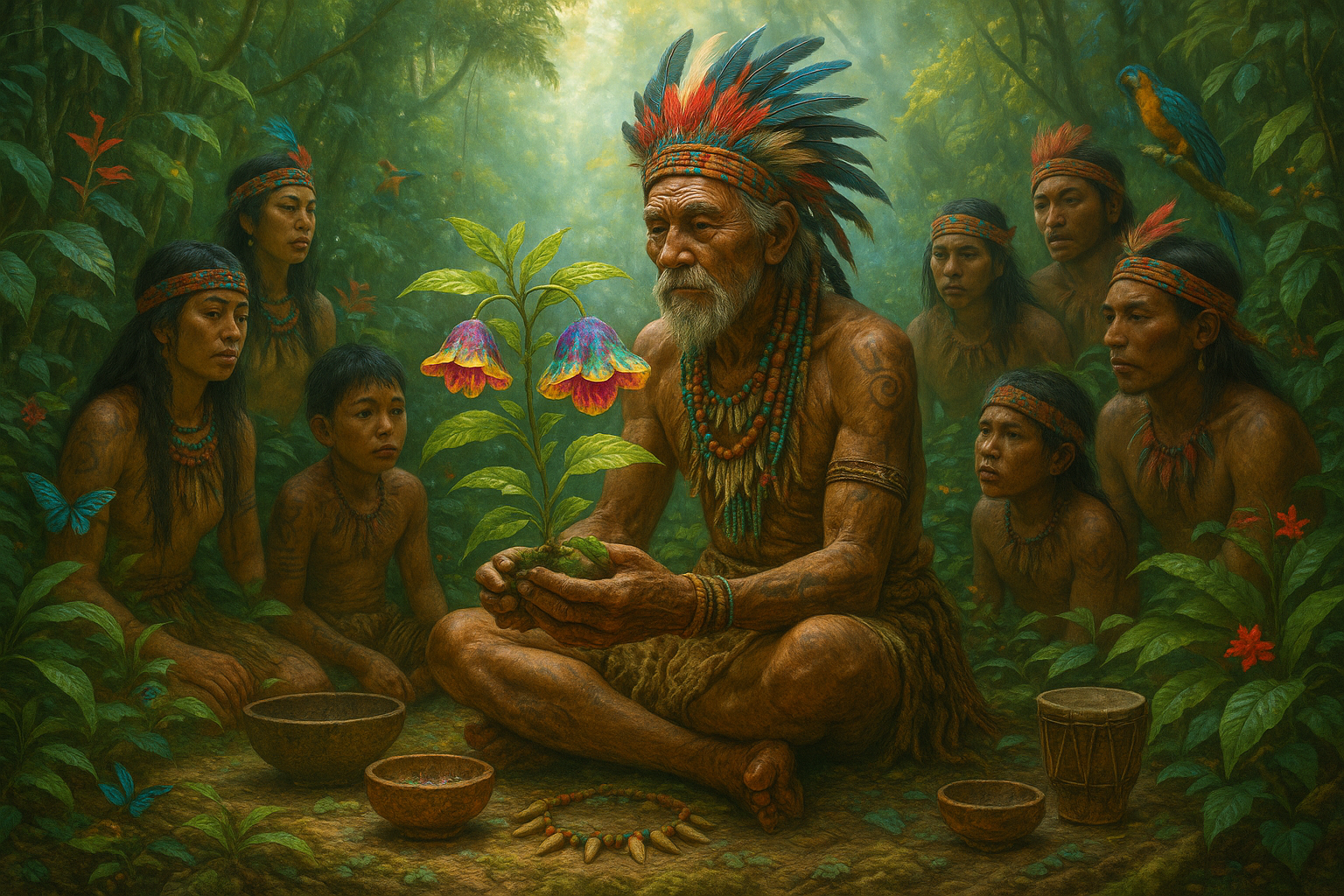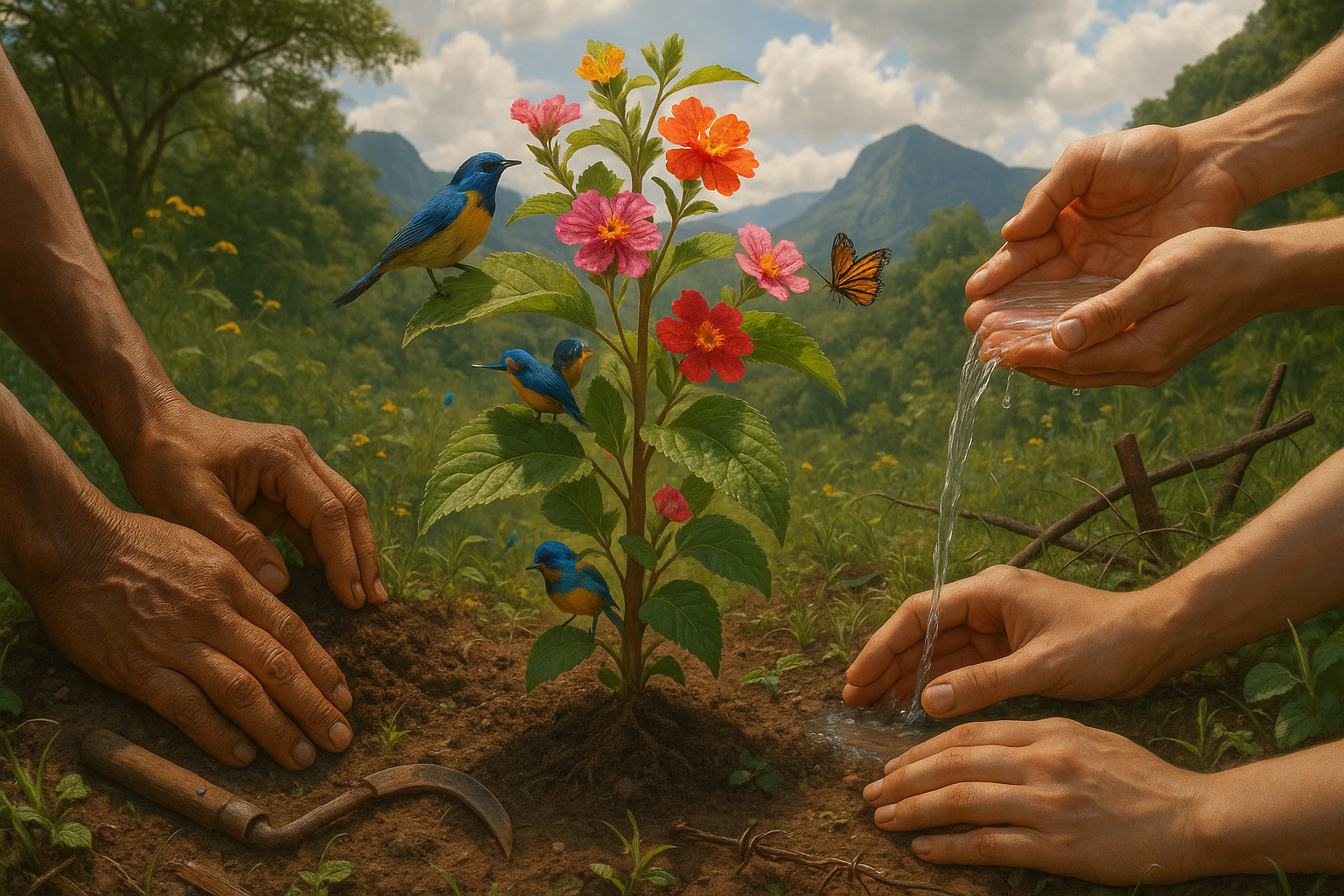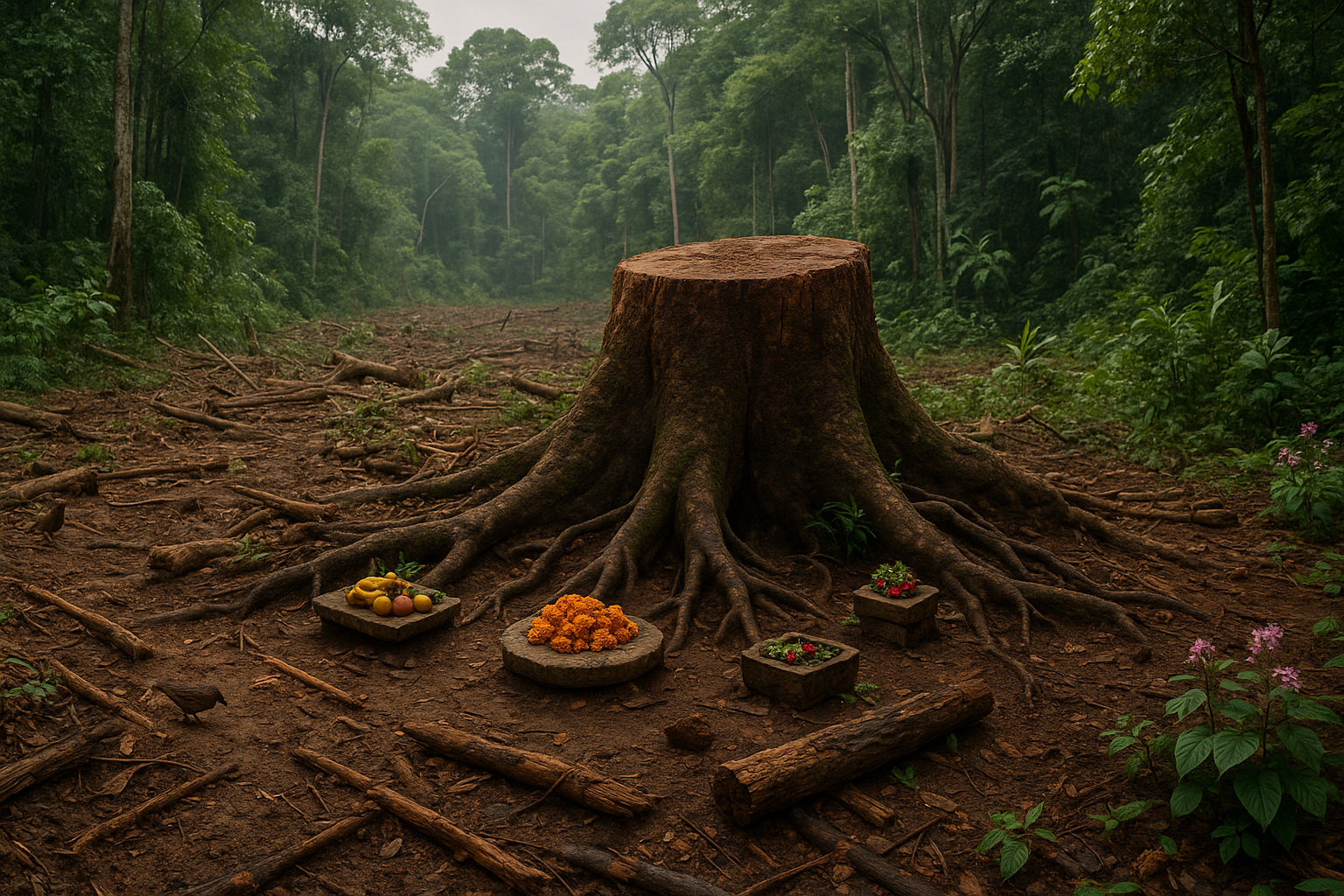
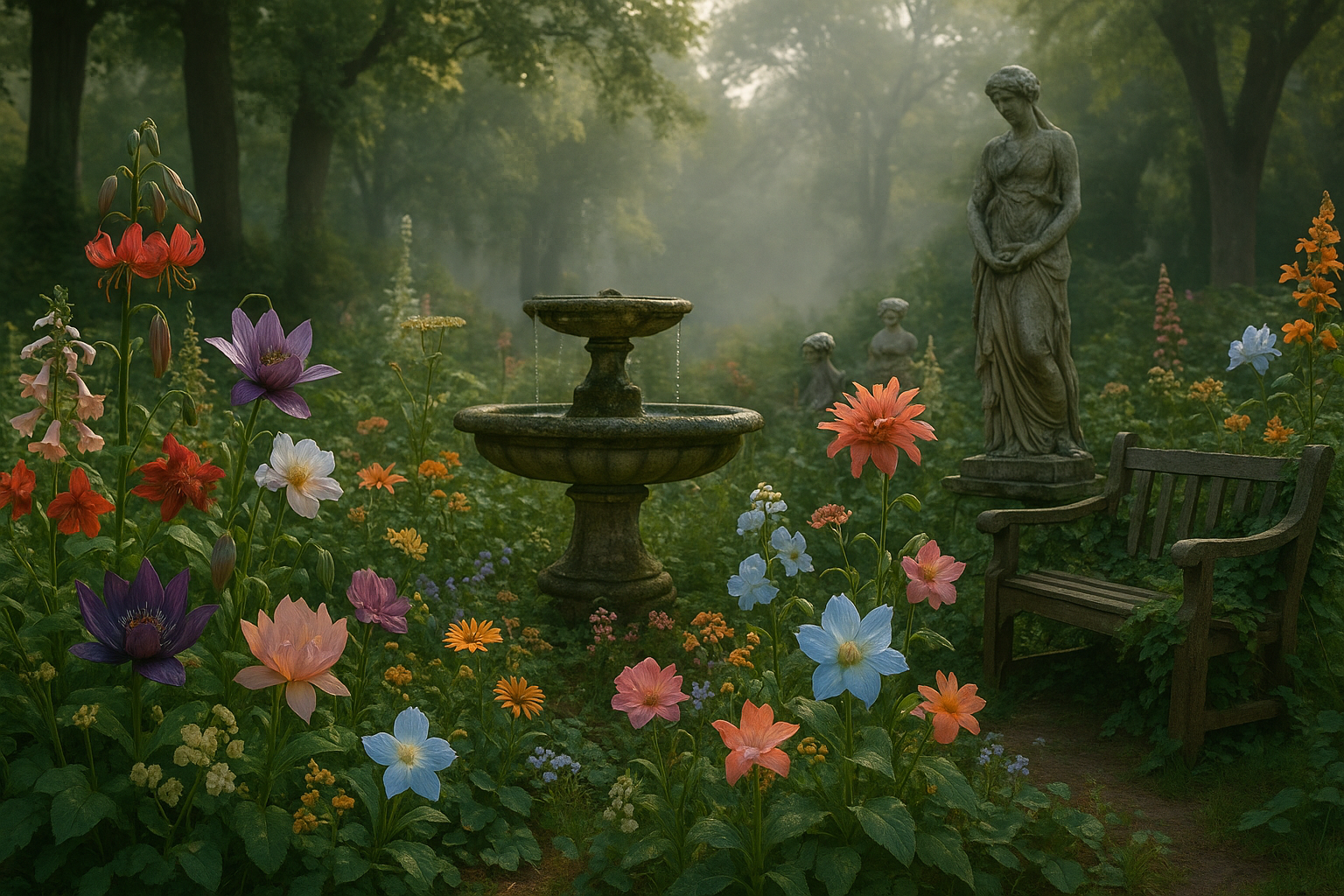
In the gentle embrace of time, where history and nature intertwine, lies a captivating world that has long eluded our modern senses. This is a world where sacred flowers, once revered for their spiritual and cultural significance, now whisper stories of forgotten beauty. 🌸 These blooms, which once adorned ancient rituals and mythical tales, are waiting to be rediscovered, inviting us on a journey to explore their enigmatic past and the profound impact they had on civilizations long gone.

Today, as we rush through our hectic lives, it’s easy to overlook the intricate tapestry of history woven into the very petals of these sacred flowers. The allure of their mystery beckons us to pause and reflect on the deep connections between humanity and nature. From the lotus flowers that graced the waters of ancient Egypt to the cherry blossoms celebrated in Japanese tradition, each bloom tells a unique story of cultural heritage and timeless beauty.
In this exploration of lost beauty, we will delve into the symbolic meanings these flowers held for different cultures, examining how they influenced art, religion, and daily life. Their stories are not just about aesthetics; they offer insights into the values and beliefs of the people who cherished them. By understanding these connections, we can appreciate how these sacred flowers shaped human history and continue to inspire us today.
We will begin by unraveling the mysteries of the lotus flower, a symbol of purity and rebirth that has transcended time and geography. Its significance in both ancient Egyptian and Eastern philosophies provides a window into the spiritual beliefs that have guided human thought for centuries. As we uncover the layers of meaning attributed to the lotus, we’ll discover how it became a universal emblem of enlightenment and transformation.
Next, our journey will take us to the fragrant fields of saffron, whose delicate threads have woven their way through the tapestries of culinary, medicinal, and ritual practices across the Mediterranean and beyond. 🌾 Known as the “golden spice,” saffron’s vibrant hue and intoxicating aroma have enchanted traders and healers alike, serving as a testament to the flower’s enduring allure and multifaceted significance.
We’ll also explore the enchanting world of the cherry blossom, or sakura, which has captured the hearts and imaginations of people worldwide. This iconic flower, celebrated in Japan for its fleeting beauty, serves as a poignant reminder of life’s transient nature. Through centuries of poetry and art, the cherry blossom has become a symbol of renewal, hope, and the delicate balance of existence.
As we venture further, we’ll uncover lesser-known yet equally fascinating flowers, such as the blue lotus of ancient Egypt and the sacred marigolds of Mesoamerican cultures. Each of these blooms carries with it a legacy of reverence and symbolism that continues to echo through time.
In our modern world, where biodiversity is increasingly threatened, these sacred flowers also remind us of the importance of preserving our natural heritage. They call upon us to recognize the intrinsic value of the natural world and inspire us to protect the delicate ecosystems that nurture such beauty.
By the end of this journey, you’ll have gained a deeper appreciation for the sacred flowers that have shaped human history. You’ll see them not merely as ornamental wonders, but as integral threads in the rich tapestry of our cultural heritage. Let us embark on this voyage of discovery, where the past and present bloom together in a harmonious dance of beauty and wisdom. 🌺
Conclusion: Rediscovering the Timeless Elegance of Sacred Flowers 🌸
In our journey through the enchanting world of sacred flowers, we have ventured into a realm where nature, culture, and spirituality beautifully intertwine. These flowers, once revered in ancient rituals and admired for their profound symbolism, have stories that echo through the corridors of time, reminding us of the intrinsic connection between humans and nature. From the mystical Lotus revered in Eastern traditions to the sacred Rose with its deep roots in Western spirituality, each flower tells a unique tale of beauty, reverence, and cultural significance.
As we explored the historical contexts and symbolic meanings of these flowers, it became clear that their beauty is not only in their physical appearance but also in their ability to transcend time, carrying with them messages of peace, purity, and divine connection. The insights gained from our exploration reveal not just the historical importance of these sacred blooms but also their relevance in today’s world, where they continue to inspire art, literature, and personal reflection.
The preservation and rediscovery of these flowers are more crucial than ever. In a world increasingly distanced from nature, these sacred blooms offer us a path back to our roots, reminding us of the importance of maintaining harmony with our environment. 🌿 The lessons we learn from these flowers encourage us to appreciate the delicate balance of our ecosystems and the need to protect them for future generations.
We encourage you, dear reader, to take this newfound knowledge and let it inspire your daily life. Whether it’s cultivating a sacred garden, engaging in mindful practices that honor these blooms, or simply sharing their stories with others, there are countless ways to keep their legacy alive. Let us nurture the seeds of wisdom these sacred flowers have planted in us and allow them to blossom into actions that promote environmental stewardship and cultural appreciation.
We invite you to share your thoughts and experiences with these sacred flowers in the comments below. How have they influenced your perspective on nature and spirituality? 💬 Your insights can spark a wider conversation and help others discover the timeless beauty of these remarkable blooms. If this article resonated with you, please consider sharing it with others who might find inspiration in the lost beauty of sacred flowers.
For further exploration of the fascinating world of sacred flowers, you might want to check out these resources:
- Research on the Cultural Significance of Sacred Flowers
- Global Efforts in Flower Preservation
- Spiritual Meanings of Flowers Across Cultures
As we close this chapter on sacred flowers, let’s remember that beauty, in its most profound form, is timeless. May we continue to seek, discover, and cherish the lost beauties of the past, finding inspiration in their stories and strength in their resilience. 🌺
Feel free to modify or expand upon this conclusion to better fit the tone and length of your article. Also, ensure to replace the example links with active and relevant URLs that align with your content.