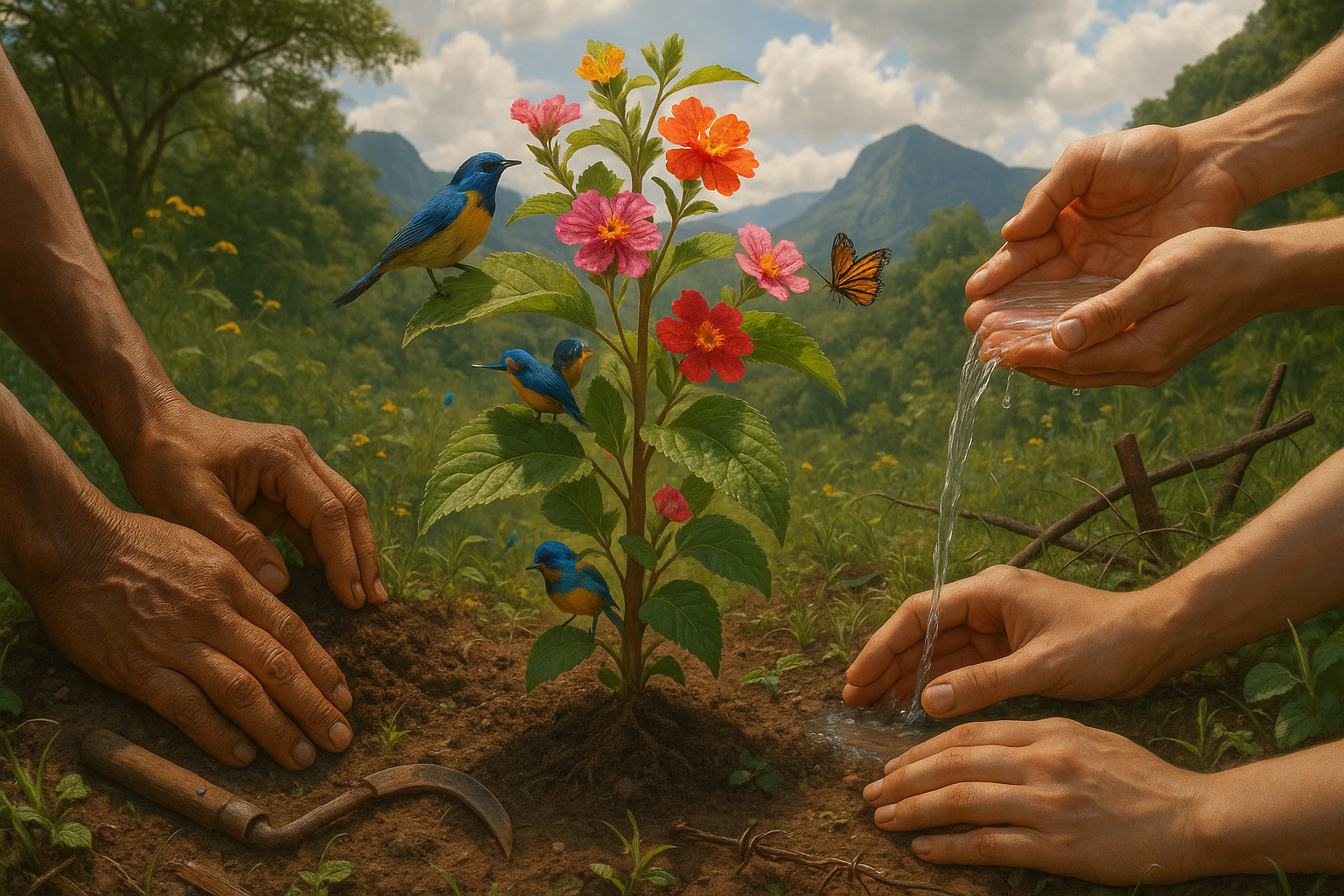
In the vast and intricate world of natural remedies, medicinal plants hold a revered place. 🌿 From the calming effects of chamomile tea to the potent healing properties of aloe vera, these natural allies have been trusted companions in health and wellness for centuries. However, beneath their green allure lies a darker side—a world where unlawful and misguided use of these plants can lead to serious health risks.

Welcome to the intriguing yet perilous realm of “Breaking Bad: The Dangers of Unlawful Medicinal Plant Use and How to Stay Safe.” In this comprehensive exploration, we delve into the shadowy corners where beneficial flora turn into silent threats when used incorrectly. It’s a journey that unravels both the traditional wisdom and modern pitfalls associated with herbal medicine.
Our fascination with medicinal plants is deeply rooted in history. Long before the advent of modern pharmaceuticals, our ancestors relied on nature’s pharmacy for healing. Today, this age-old practice is experiencing a renaissance. People are increasingly turning to natural remedies in search of holistic health solutions. But with this resurgence comes the urgent need for awareness and education.
What happens when the line between natural and harmful becomes blurred? The unlawful use of medicinal plants can stem from misinformation, lack of regulation, and the growing trend of self-medication. These factors create a perfect storm for potential misuse. The risks range from mild allergic reactions to severe toxicity, and in some cases, even fatal outcomes.
In this article, we’ll explore the multifaceted world of medicinal plants, highlighting both their miraculous benefits and potential dangers. We’ll address why the allure of natural remedies can sometimes lead to reckless behavior and what you can do to ensure safe use.
The Allure of Nature’s Pharmacy
Why do people gravitate towards medicinal plants? The answer lies in the promise of healing that feels organic and harmonious with the body’s natural processes. For many, the idea of using a plant-based remedy is appealing because it seems less invasive than synthetic drugs. Moreover, the global wellness movement has popularized the use of herbs and plants, often portraying them as safer alternatives to conventional medicine.
However, this romanticized view can be misleading. The assumption that “natural” equals “safe” is a dangerous misconception. While many plants offer remarkable health benefits, others can pose serious risks if not used properly.
Risks of Unlawful Use
One of the primary dangers associated with medicinal plants is the lack of regulation. Unlike pharmaceuticals, which undergo rigorous testing and standardization, herbal products often fall outside the purview of strict regulatory oversight. This lack of control can lead to inconsistencies in potency and quality, increasing the risk of adverse effects.
Moreover, the self-medication trend exacerbates these risks. Without proper knowledge, individuals may misuse plants, either by consuming incorrect dosages or by using the wrong species altogether. The results can be catastrophic, ranging from acute poisoning to long-term health issues.
Staying Safe: Knowledge is Power
So, how can you enjoy the benefits of medicinal plants while minimizing the risks? The key lies in education and responsible use. Throughout this article, we’ll provide you with essential guidelines to navigate the complex landscape of herbal medicine safely.
We’ll discuss the importance of consulting healthcare professionals before incorporating new remedies into your regimen. You’ll learn about the significance of sourcing herbs from reputable suppliers and understanding dosages and interactions. We’ll also highlight the role of scientific research in validating traditional uses of plants and offer insights into recognizing reliable information amidst the noise of the internet.
Embark with us on this enlightening journey. Discover the fascinating duality of medicinal plants and arm yourself with the knowledge to use them wisely. With awareness and caution, you can harness the power of nature’s pharmacy without falling into the traps of unlawful use. Let’s unlock the secrets of safe and effective herbal healing together. 🌱
Conclusion
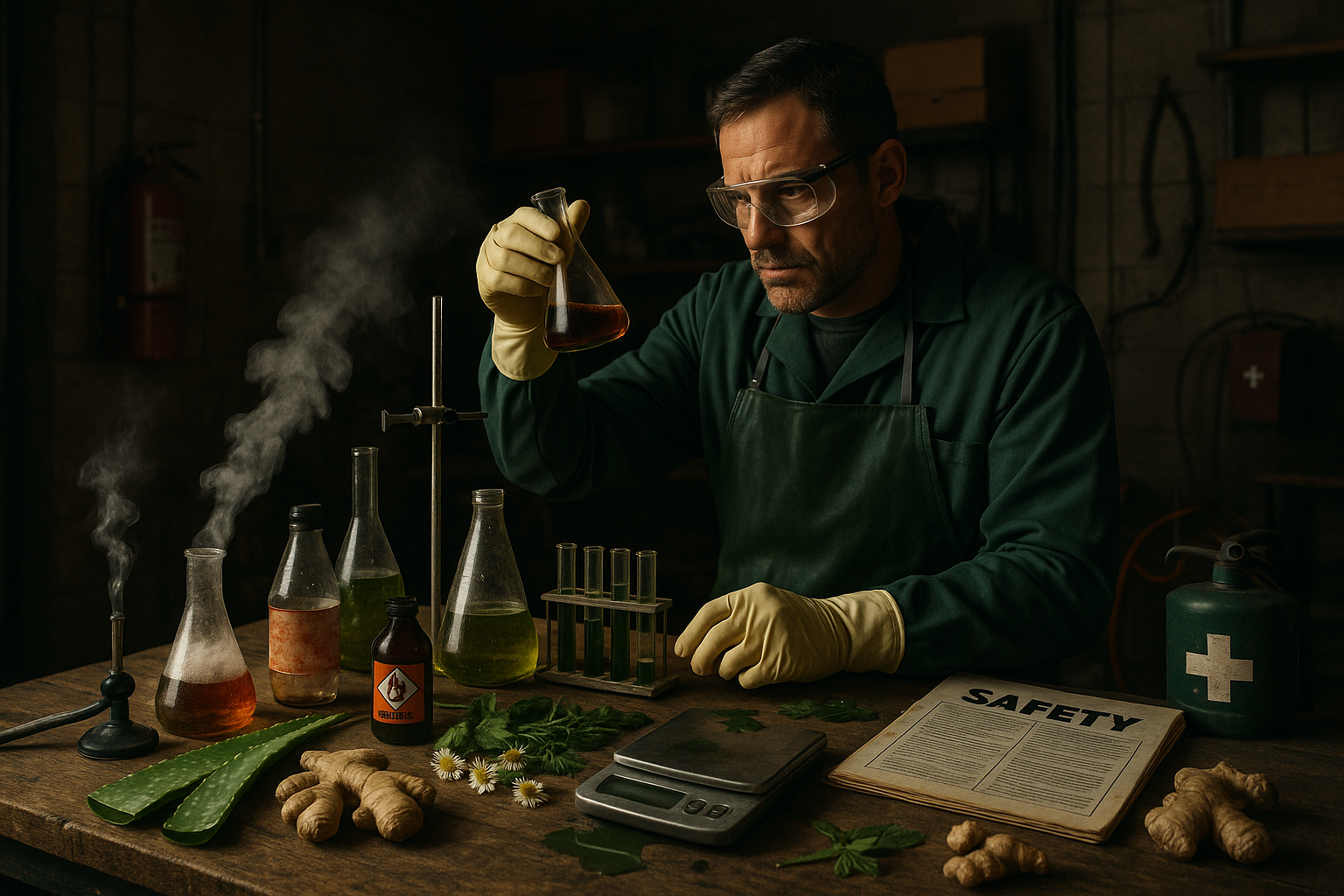
As we conclude our exploration of Breaking Bad: Safe Medicinal Plant Use, it becomes clear that the line between healing and harm in nature’s pharmacy is often razor-thin. Many of the world’s most powerful medicines — from digitalis to morphine — owe their origins to plants once deemed dangerous or forbidden. Yet when approached with wisdom, respect, and knowledge, these same plants reveal extraordinary therapeutic potential.
The true lesson lies in balance and responsibility. 🌸💫 Ancient healers and modern scientists alike understood that dosage, preparation, and intention determine whether a plant becomes a cure or a poison. Safe medicinal use requires reverence for both the chemistry and the spirit of each species — an awareness that nature’s gifts demand discipline as much as discovery. Ultimately, Breaking Bad reminds us that the future of herbal medicine depends on ethical research, sustainable sourcing, and an enduring respect for the delicate harmony between human ingenuity and botanical power.