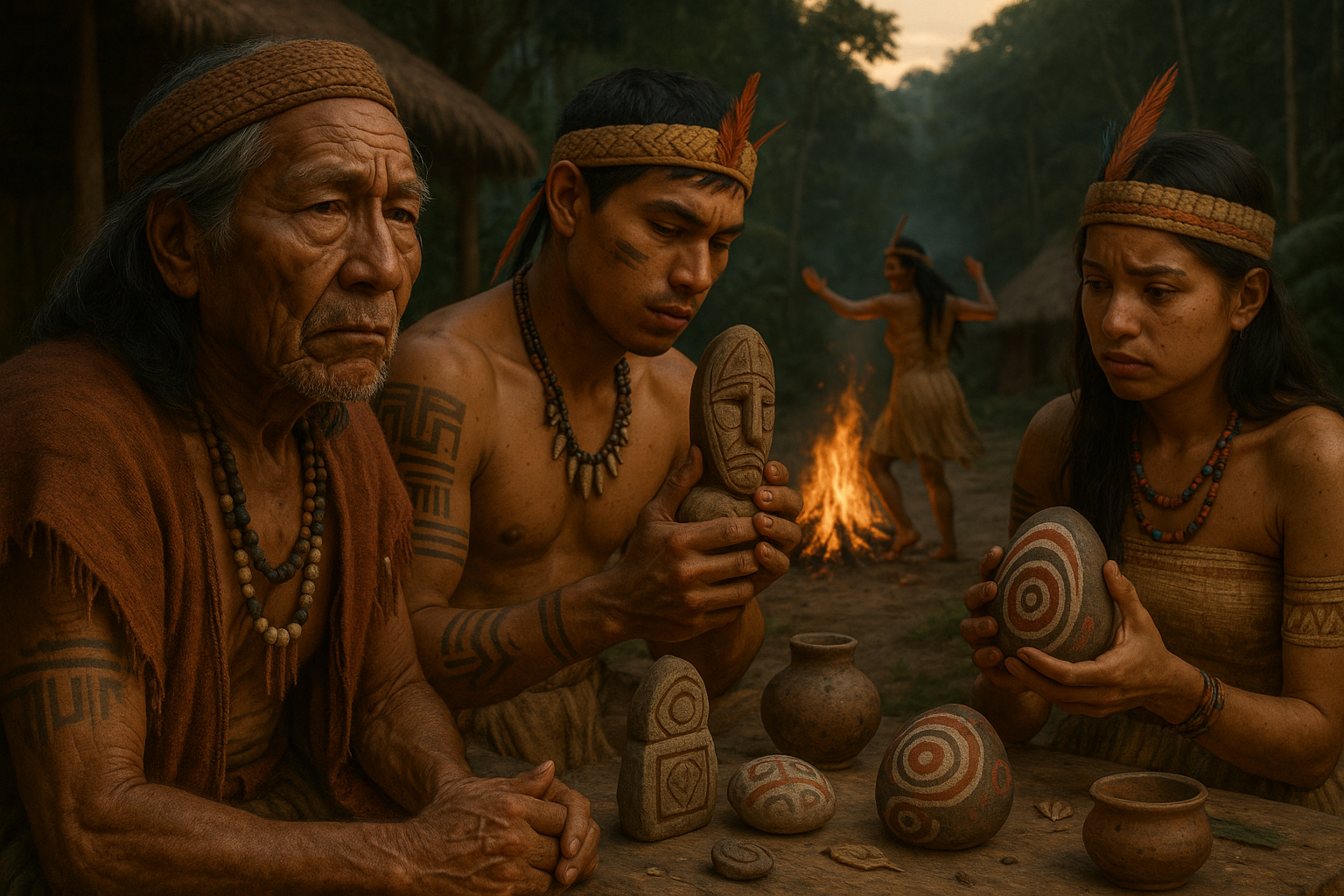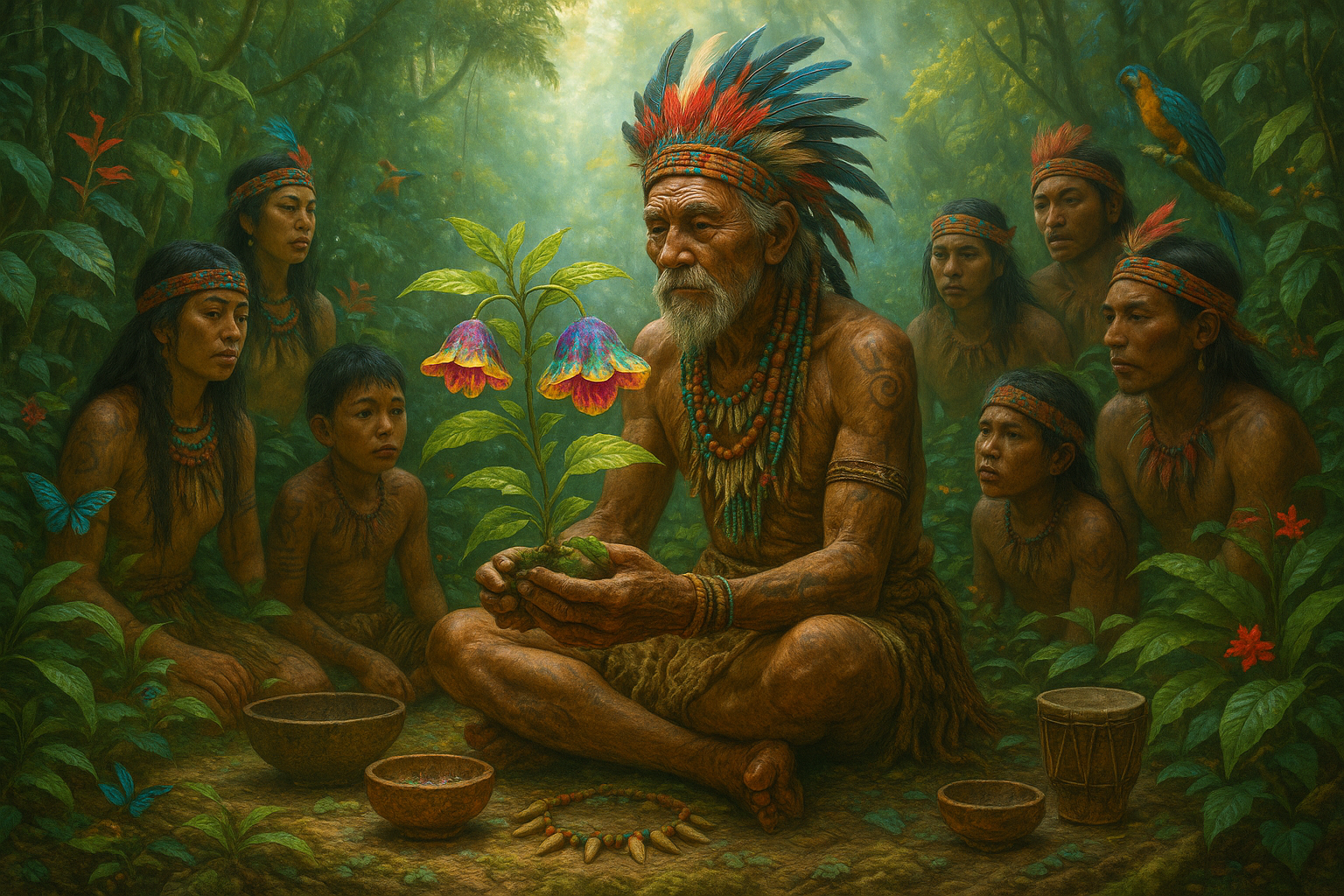
In a world where technology reigns supreme and the digital noise is ever-present, there lies an intriguing undercurrent that whispers of ancient wisdom and transformative experiences. 🌿 Imagine stepping into a realm where time-honored traditions meet the mystical power of sacred plants, unlocking new dimensions of consciousness and self-discovery. This isn’t a scene from a fantasy novel, but rather the captivating world of illicit herbal ceremonies—rituals steeped in mystery, yet brimming with profound potential.

The allure of these ceremonies isn’t merely their clandestine nature, but rather the deep, spiritual resonance they promise. For centuries, indigenous cultures have harnessed the power of sacred plants to facilitate healing, spiritual awakening, and communion with the divine. These rituals, often shrouded in secrecy, offer participants a gateway to explore altered states of consciousness, drawing them closer to the mysteries of the universe.
But what exactly are these illicit herbal ceremonies, and why are they garnering such intense interest today? As we delve deeper, we’ll explore the fascinating tapestry of history, culture, and spirituality that surrounds these ancient practices. From the Amazonian jungles where Ayahuasca ceremonies are led by seasoned shamans, to the deserts of North America where peyote rituals guide seekers on vision quests, each tradition offers a unique path to enlightenment.
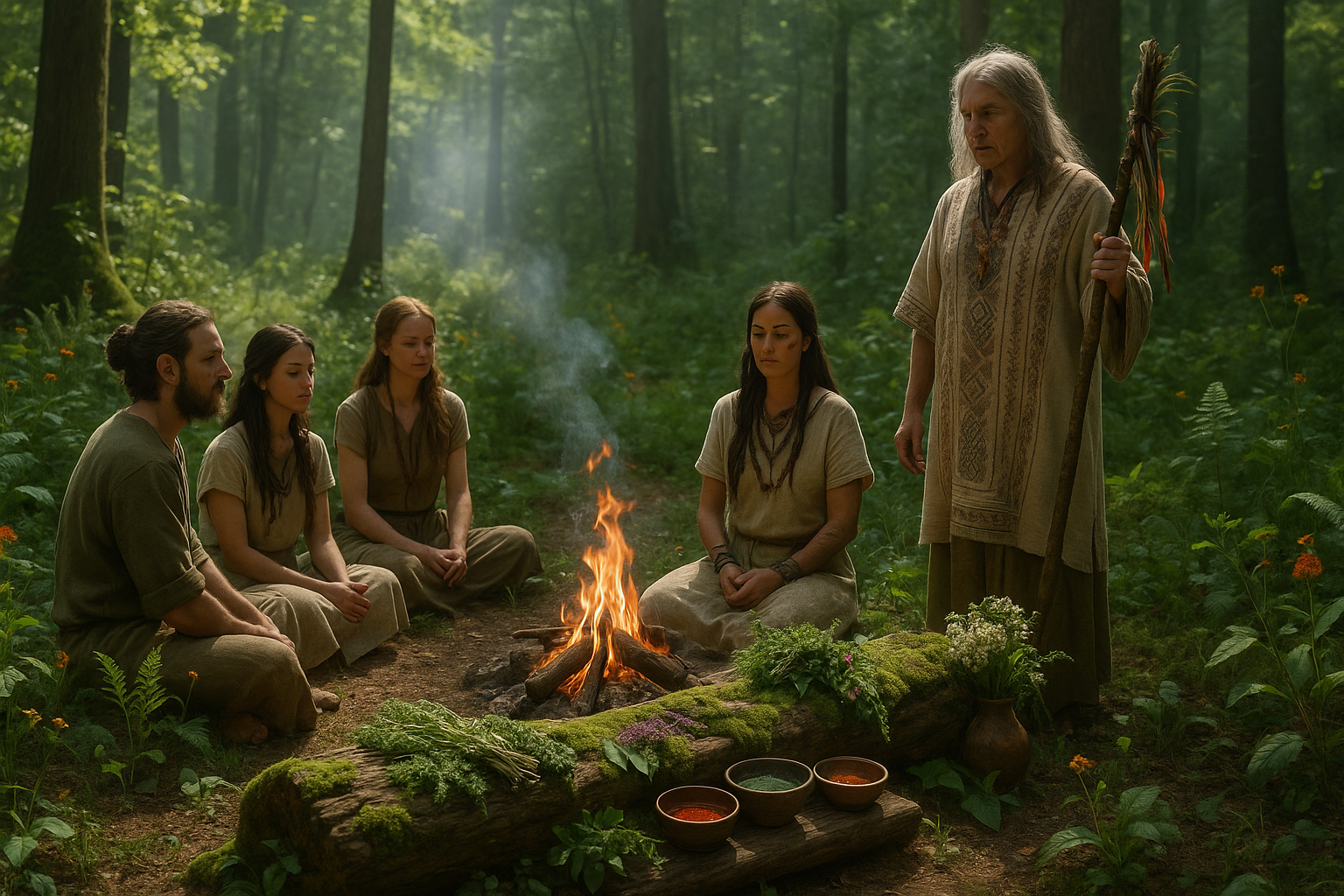
The journey into the mystical world of these ceremonies is not just about the plants themselves, but the rituals that bring them to life. It’s an exploration of sacred spaces, chants, and invocations that set the stage for profound inner work. The ceremonial aspect is crucial, providing the framework within which participants can safely navigate their spiritual journeys.
Yet, the rising popularity of these ceremonies has sparked a complex dialogue about legality, ethics, and cultural appropriation. As modern seekers flock to partake in these rituals, often in far-flung destinations, questions arise about the sustainability and authenticity of such experiences. Are these ceremonies being commodified, or can they truly offer a bridge to deeper understanding and personal transformation?
Throughout this article, we will examine the potent effects of plant medicine, backed by both anecdotal accounts and emerging scientific research. We will discuss how these ceremonies are conducted, the roles of shamans and facilitators, and the profound aftereffects reported by participants. 🌌
Furthermore, we will address the delicate balance between respecting indigenous traditions and adapting them for contemporary seekers. This exploration will touch on the ethical considerations involved, highlighting the importance of cultural sensitivity and respect for the origins of these practices.
In a world increasingly disconnected from nature and authentic human experience, the resurgence of interest in herbal ceremonies offers a glimmer of hope. They represent a return to simplicity, a reconnection with the Earth, and a reminder of the ancient wisdom that resides within us all. As we navigate the complexities of modern life, these rituals offer a rare opportunity to pause, reflect, and rediscover our place in the cosmos.
Join us as we unravel the secrets of these mystical ceremonies. Whether you’re a curious newcomer or a seasoned explorer of the mind’s outer reaches, this journey promises insights and revelations that could reshape your understanding of consciousness, spirituality, and the enduring power of sacred plants. 🌱
Conclusion
In exploring the mystical world of illicit herbal ceremonies, we’ve traversed a rich tapestry woven with ancient traditions, sacred plants, and profound spiritual experiences. This article delved into the origins and significance of these rituals, highlighting the deep cultural roots and spiritual awakenings associated with them. We examined how these ceremonies utilize sacred plants like Ayahuasca, Peyote, and others to transcend ordinary states of consciousness, offering participants unique insights and healing opportunities.
The journey through this topic has revealed the intricate balance between respecting ancient traditions and navigating the modern legal landscape. These ceremonies, often viewed with skepticism in contemporary society, hold transformative potential that many participants swear by. The key takeaway is the undeniable connection between humans and nature, reminding us of the wisdom embedded in our planet’s flora and the cultures that have preserved this knowledge through centuries.
We explored the various types of illicit herbal ceremonies and their cultural contexts, emphasizing the importance of approaching these rituals with respect and understanding. This respect extends not only to the ceremonies themselves but also to the indigenous communities that have safeguarded these traditions. The ethical considerations surrounding these practices cannot be overstated, particularly the need for informed consent, cultural sensitivity, and the sustainability of sacred plants.
In light of these discussions, it’s crucial to acknowledge the growing interest in these ceremonies as tools for personal growth and healing. Modern science is beginning to catch up, with numerous studies investigating the therapeutic potential of psychoactive plants used in these rituals. This burgeoning field of research continues to bridge the gap between ancient wisdom and contemporary scientific inquiry, offering promising prospects for the future.
As we conclude our exploration, let’s reflect on the broader implications of engaging with these mystical practices. They remind us of our shared humanity, the universal quest for meaning, and the enduring power of nature to heal and inspire. 🌿 By unlocking the mystical world of illicit herbal ceremonies, we open ourselves to a realm of possibilities that challenge conventional boundaries and invite us to redefine our understanding of consciousness and spirituality.
We encourage you, dear reader, to continue this journey of discovery. Whether through respectful participation in these ceremonies, further research, or engaging in conversations with others, there are myriad ways to deepen your understanding and appreciation of this fascinating topic. Feel free to share your thoughts, experiences, or questions in the comments below. Your voice adds to the ongoing dialogue surrounding these ancient practices and their place in our modern world.
Sharing this article with your network can also spark meaningful discussions and spread awareness about the cultural and spiritual richness these ceremonies embody. 📢 Together, we can foster a more informed and open-minded perspective on the role of sacred plants and rituals in personal and collective transformation.
For those interested in diving deeper, here are some reliable sources to explore:
- The New York Times on Ayahuasca
- National Geographic: Ayahuasca and Shamanism
- NCBI: The Therapeutic Potential of Sacred Plants
Thank you for joining us on this insightful exploration. May your curiosity continue to lead you toward new horizons, and may the wisdom of ancient rituals illuminate your path. 🌟