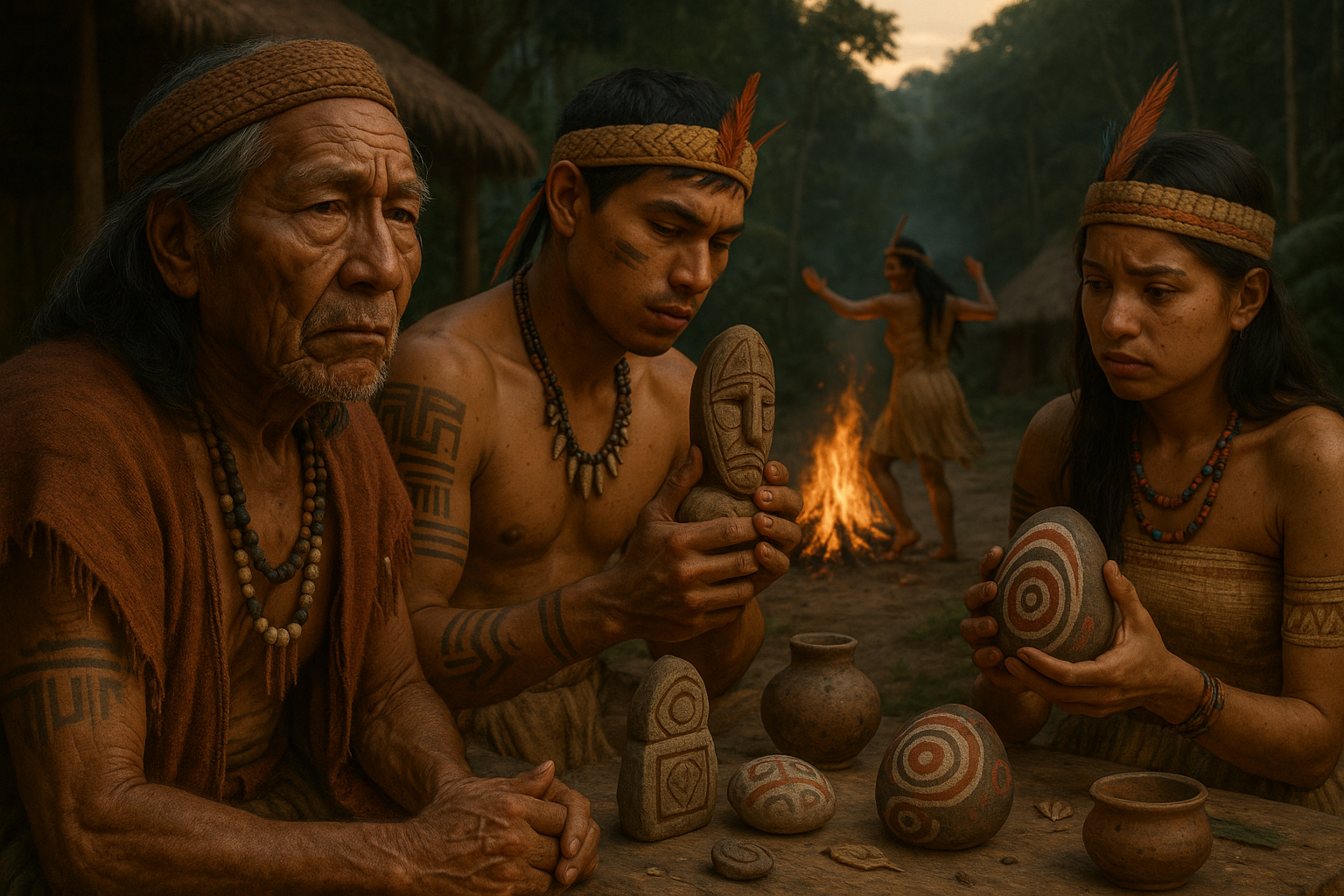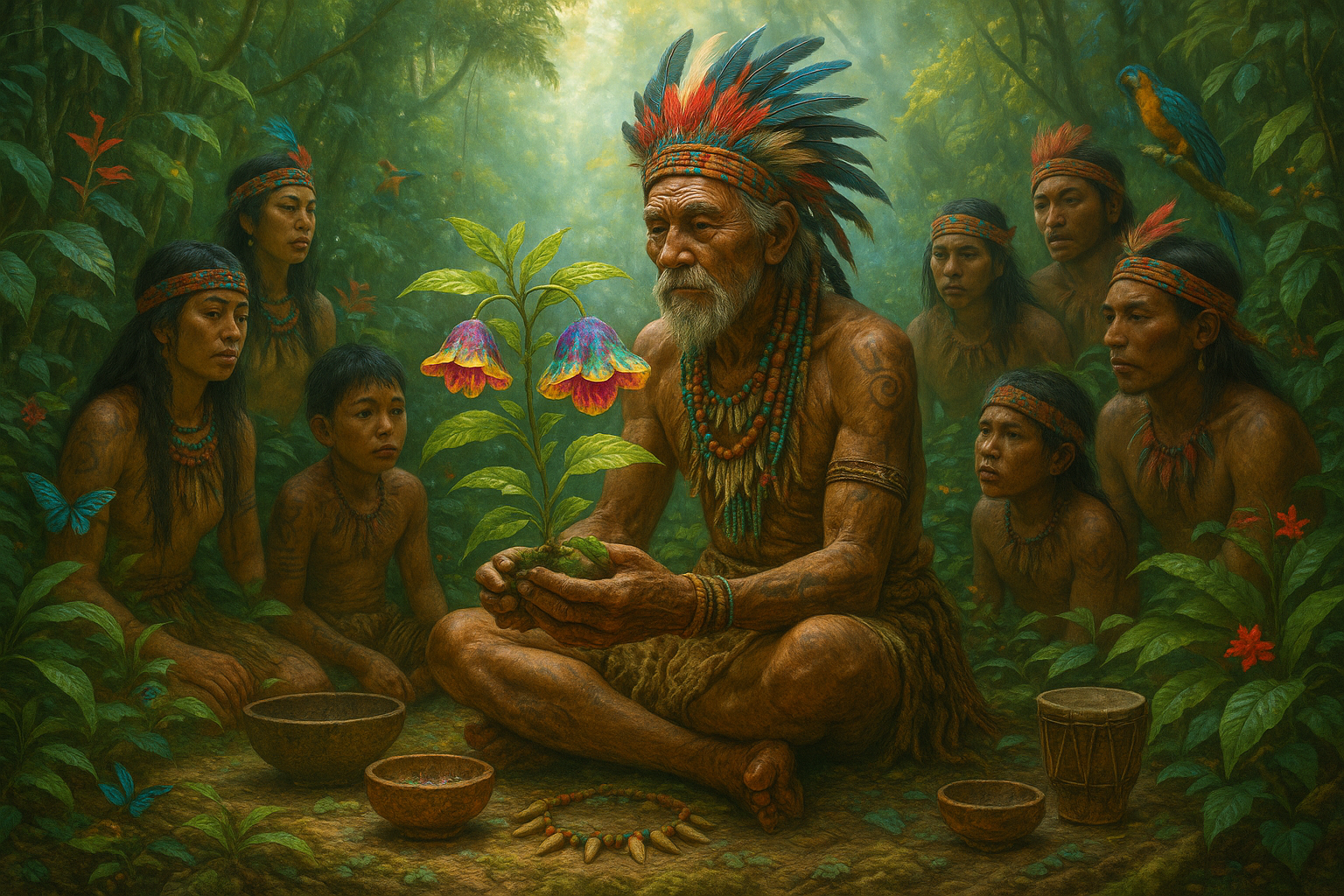
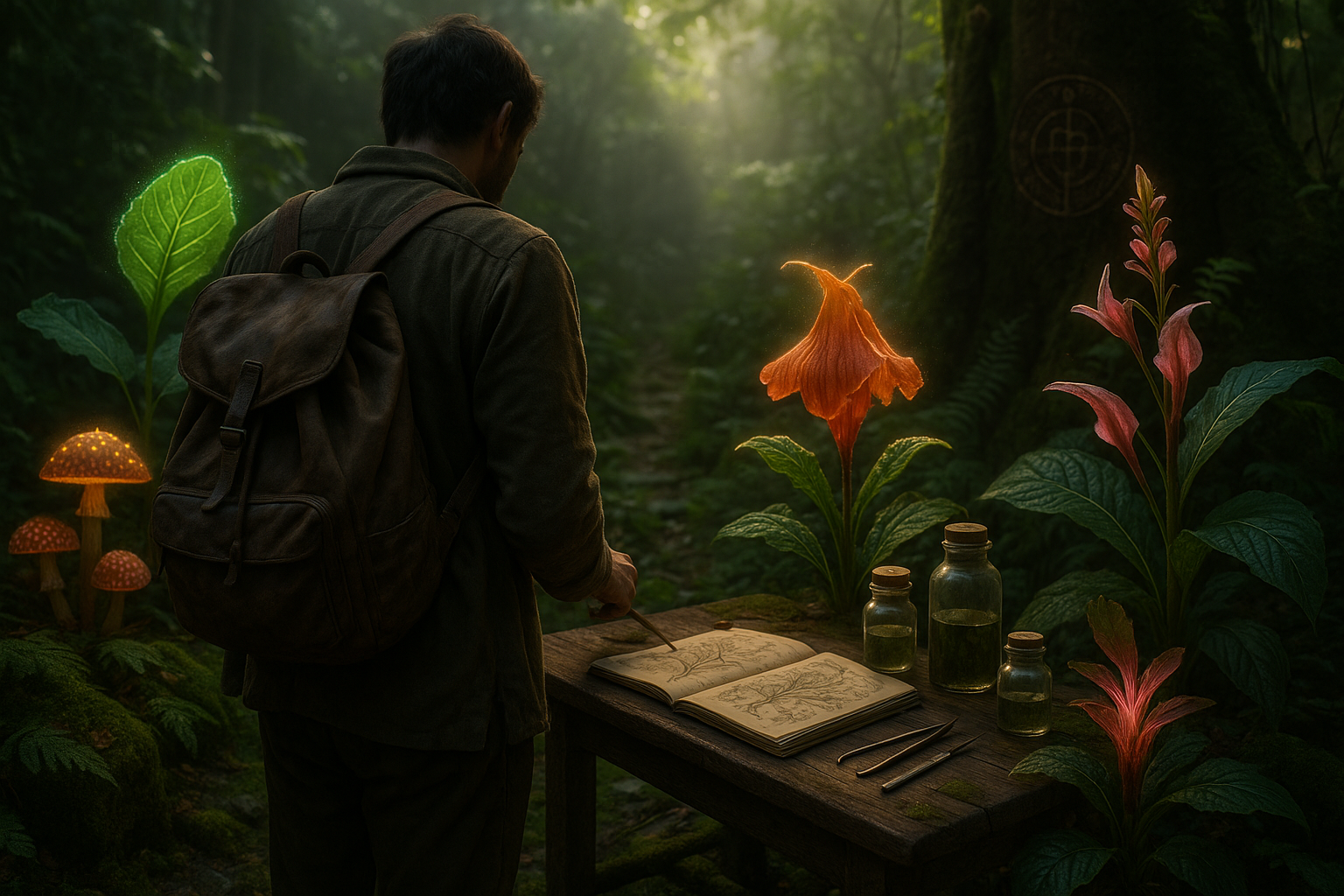
In the quiet corners of ancient forests, within the sacred confines of hidden groves, and sometimes even in the secrecy of urban sanctuaries, lies a world largely concealed from the modern eye. This is the enigmatic realm of outlawed ritual plant uses—a tapestry of ancient practices, shrouded in mystery and often misunderstood. As we embark on this intriguing journey, we will delve into the depths of human history, exploring how these sacred plants have been revered, demonized, and ultimately hidden from mainstream society. 🌿

The use of plants in rituals is as old as humanity itself, with archaeological evidence suggesting that our ancestors engaged with the botanical world in profound and spiritual ways. Yet, despite their historical significance, many of these practices have been deemed illegal, forcing them underground. But why have these traditions, which once held immense cultural value, become taboo? And what secrets do they hold about our connection to nature and the universe?
As you read on, you will discover the hidden truths behind these practices. We will uncover the origins of ritual plant use and how it has evolved over the centuries. From the shamans of the Amazonian rainforest to the mystics of the Himalayas, each culture has its own unique relationship with the natural world. These plants are more than just substances; they are gateways to altered states of consciousness and spiritual enlightenment.
The Cultural Significance of Ritual Plants
Ritual plants have played a vital role in the spiritual and cultural practices of many societies. Whether used for healing, divination, or communion with the divine, these plants have been integral to human experience. However, with the rise of modern civilization and the spread of regulatory frameworks, many of these practices have been outlawed, relegating them to the fringes of legality. This shift not only impacts cultural preservation but also stifles the potential benefits these plants could offer.
Our exploration will take us through various cultures, highlighting the significance of these plants and the rituals surrounding them. We will examine how these practices are interwoven with cultural identity, shaping the narratives of communities around the world.
The Science Behind the Magic
While ritual plants are often viewed through a mystical lens, there is also a growing body of scientific research exploring their effects on the human mind and body. Psychedelic substances, for example, are being studied for their potential therapeutic benefits in treating mental health disorders. But what makes these plants so powerful? And why do they elicit such a profound response in those who partake in their use?
By delving into the science, we aim to demystify these experiences and understand the biochemical interactions that occur. This section will offer insights into how these plants affect brain function and why they have been used for millennia in spiritual contexts.
The Legal and Ethical Implications
The illegal status of many ritual plants raises important questions about the intersection of law, ethics, and personal freedom. As we navigate this complex landscape, we will explore the reasons behind the prohibition of these plants and the impact of these laws on indigenous communities and modern seekers alike. ⚖️
Are these laws a necessary protection or a hindrance to personal and spiritual exploration? Through a balanced examination, we will consider the arguments for and against legalization and how these decisions shape cultural and scientific discourse.
A Look to the Future
Finally, we will peer into the future, contemplating the potential reintegration of these ancient practices into modern society. As public interest in holistic and alternative approaches to wellness grows, there is a renewed curiosity about these age-old traditions. What role might these plants play in the future of mental health, spirituality, and cultural preservation?
Join us as we lift the veil on the hidden world of outlawed ritual plant uses, uncovering the stories, science, and spirituality intertwined in this fascinating topic. Whether you are a curious seeker, a cultural enthusiast, or a proponent of natural therapies, this exploration promises to enlighten and inspire. 🌟
Conclusion
As we conclude our exploration of Outlawed Ritual Plants, it becomes evident that the story of these forbidden botanicals is one of power, fear, and transformation. For centuries, plants that opened consciousness or altered perception — from peyote and ayahuasca to belladonna and datura — have been both venerated and condemned. Once central to sacred rituals, healing rites, and divination practices, these species were later outlawed as their influence challenged political, religious, and cultural control.
The true revelation of outlawed ritual plants lies in their dual nature — agents of enlightenment and controversy. 🌸💫 In ancient hands, they were portals to divine realms; in modern society, they became symbols of rebellion and taboo. Yet, as science and spirituality converge once again, humanity is rediscovering their potential to heal trauma, awaken creativity, and reconnect with the sacred cycles of nature. Ultimately, Outlawed Ritual Plants Exposed reminds us that the suppression of nature’s wisdom mirrors our own disconnection — and that reclaiming these forbidden plants, with respect and responsibility, is to reclaim the forgotten dialogue between the human spirit and the Earth’s most mystical gifts.