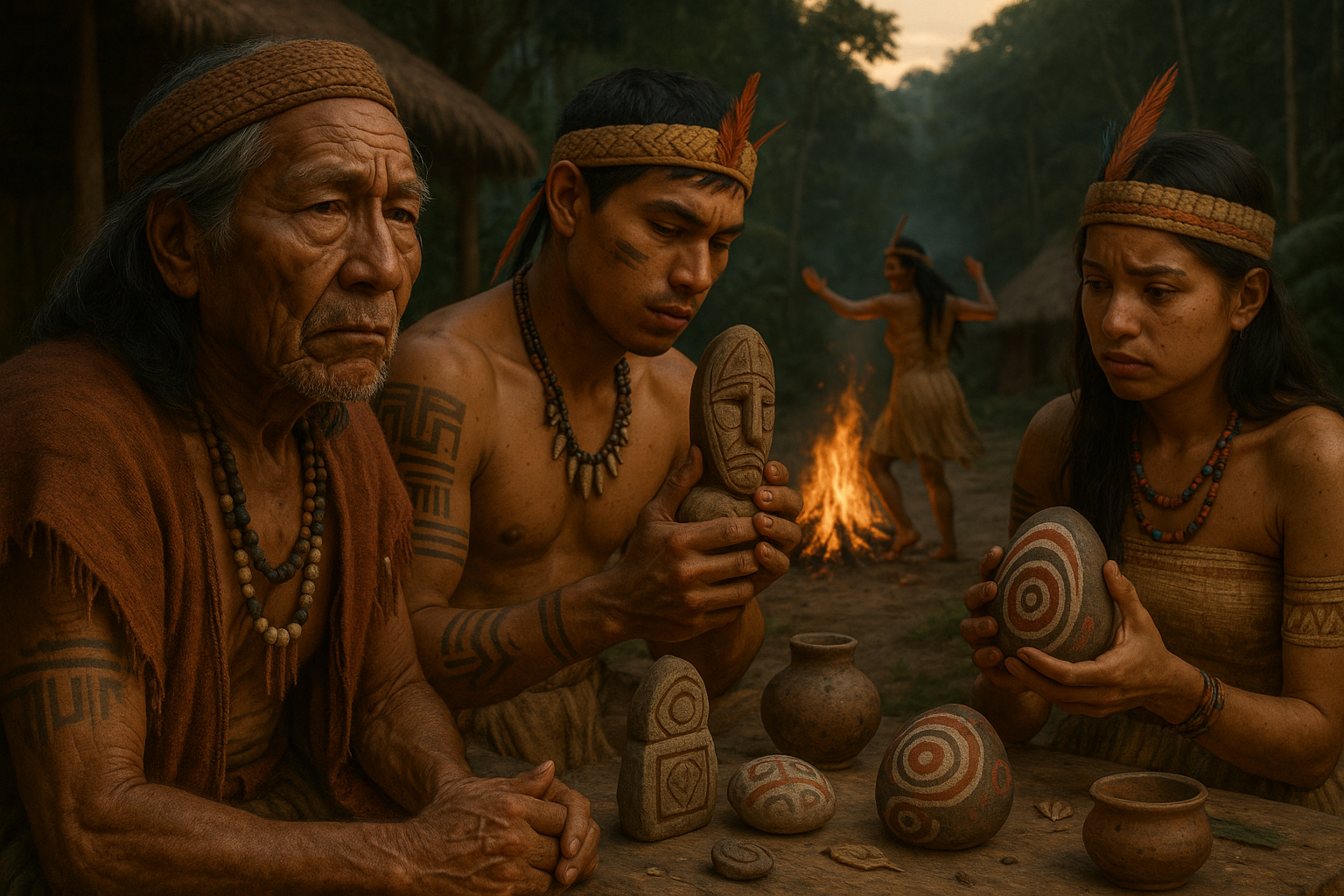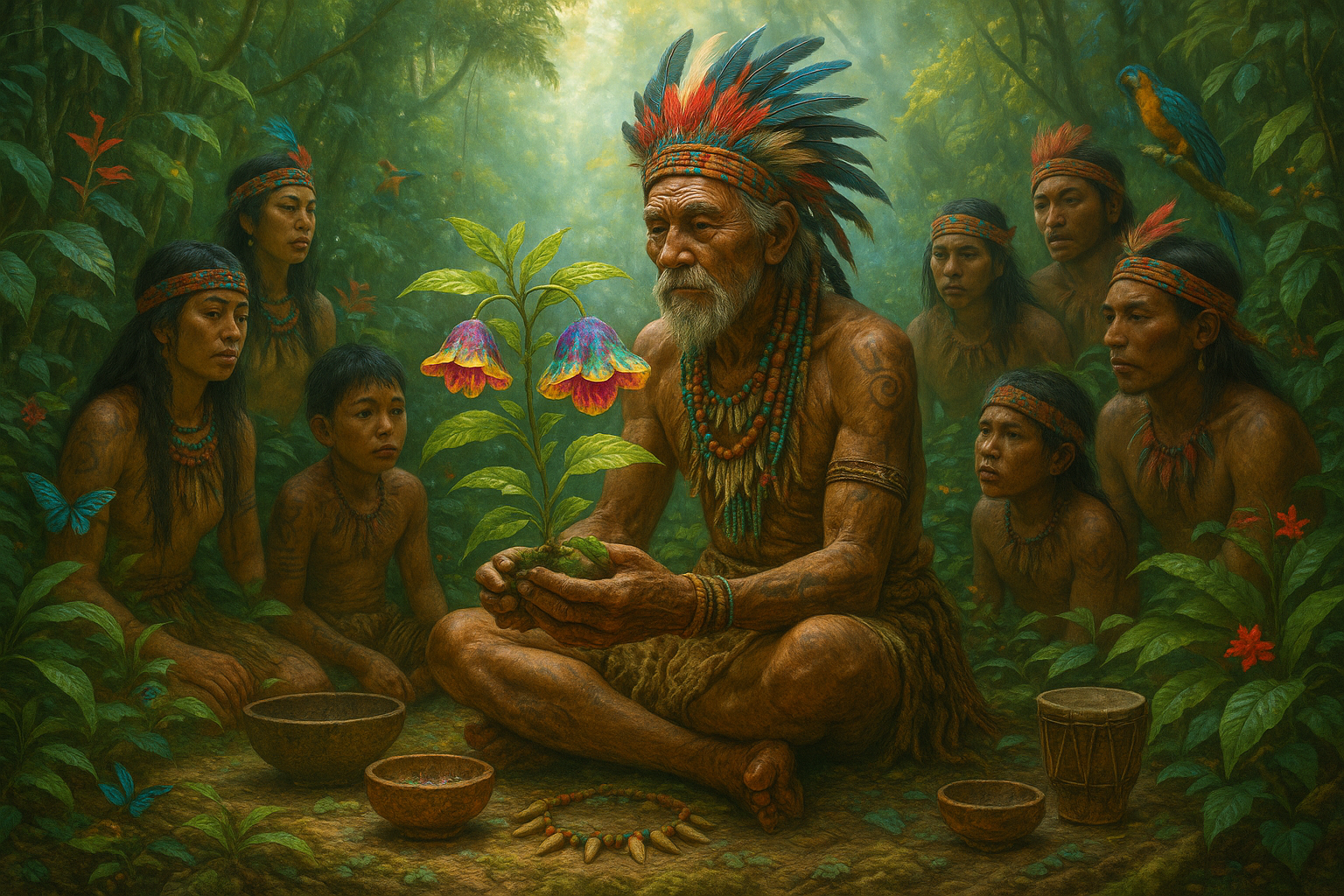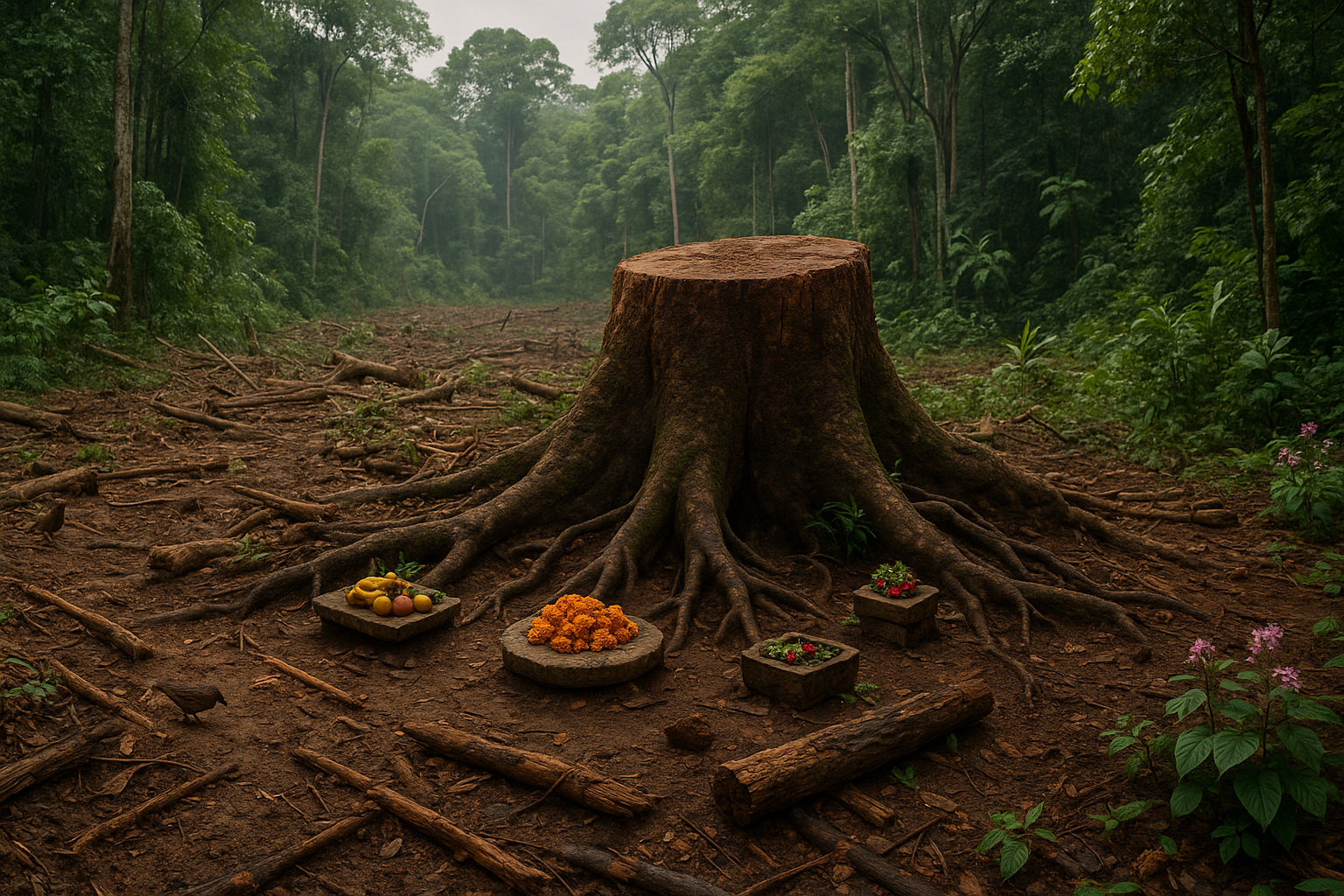
Throughout history, the natural world has been an intrinsic part of human culture and spirituality, serving as a profound source of wisdom, medicine, and connection. However, the colonial era marked a significant turning point, where the systematic eradication of indigenous sacred flora disrupted these deep-seated connections. The impact of this ecological and cultural upheaval resonates to this day, altering the landscapes and traditions of indigenous communities across the globe. 🌿

Indigenous sacred flora, often revered as the embodiment of ancestral knowledge and spiritual guidance, faced unprecedented threats as colonial powers expanded their empires. These plants were not merely resources; they were integral to the social, cultural, and spiritual fabric of countless communities. From the dense forests of the Amazon to the sprawling plains of Africa, colonial regimes imposed new agricultural practices, exploited natural resources, and introduced foreign plant species that often overshadowed native ones. This not only led to ecological imbalance but also severed the lifeline that connected people to their cultural heritage.
In this exploration of “Rooting Out Tradition: The Impact of Colonial Eradication on Indigenous Sacred Flora,” we delve into the multifaceted consequences of this historical disruption. We will uncover how the displacement and destruction of sacred plants have affected indigenous identities, spiritual practices, and ecological knowledge systems. We will also examine contemporary efforts to reclaim and revitalize these essential components of indigenous heritage.
One of the central themes we will explore is the loss of biodiversity. Colonial agricultural policies often prioritized monocultures and cash crops, leading to a decline in the diversity of native plant species. This shift not only diminished ecological resilience but also deprived indigenous communities of the plants essential for their traditional practices, such as medicine, rituals, and food security. 🌾
Moreover, the introduction of invasive species during the colonial period has had lasting repercussions. These foreign plants frequently outcompete indigenous flora, disrupting local ecosystems and challenging the survival of sacred plant species. The displacement of native flora not only threatens biodiversity but also erodes the cultural landscapes that have been nurtured for generations.
Another critical aspect we will discuss is the impact on indigenous spirituality. Sacred plants are often intertwined with religious ceremonies, rituals, and the cosmologies of indigenous peoples. The loss or desecration of these plants can lead to a spiritual disconnection, affecting community cohesion and cultural continuity. We’ll explore case studies where efforts to restore these spiritual connections have led to cultural revitalization and healing.
Additionally, we will examine the role of indigenous knowledge systems in plant conservation. Traditional ecological knowledge, passed down through generations, holds valuable insights into sustainable practices and biodiversity conservation. Recognizing and integrating this knowledge is crucial in contemporary conservation efforts, particularly in areas affected by colonial plant eradication.
Lastly, we’ll consider the ongoing struggles and successes of indigenous communities in reclaiming their botanical heritage. From legal battles to grassroots initiatives, indigenous peoples are at the forefront of efforts to protect and revive their sacred flora. We’ll highlight inspiring stories of resilience and empowerment, demonstrating the importance of cultural preservation and ecological restoration. 💪
As we navigate through these complex issues, it becomes evident that the impact of colonial eradication extends far beyond environmental degradation. It is a story of cultural loss, resistance, and ultimately, hope for a future where indigenous sacred flora can once again thrive. By understanding and addressing the historical injustices faced by indigenous communities, we can work towards a more inclusive and sustainable relationship with the natural world.
Join us as we delve deeper into these topics, shedding light on the enduring legacy of colonialism on indigenous sacred flora and the inspiring efforts to restore balance and harmony to these vital ecosystems.
Conclusion
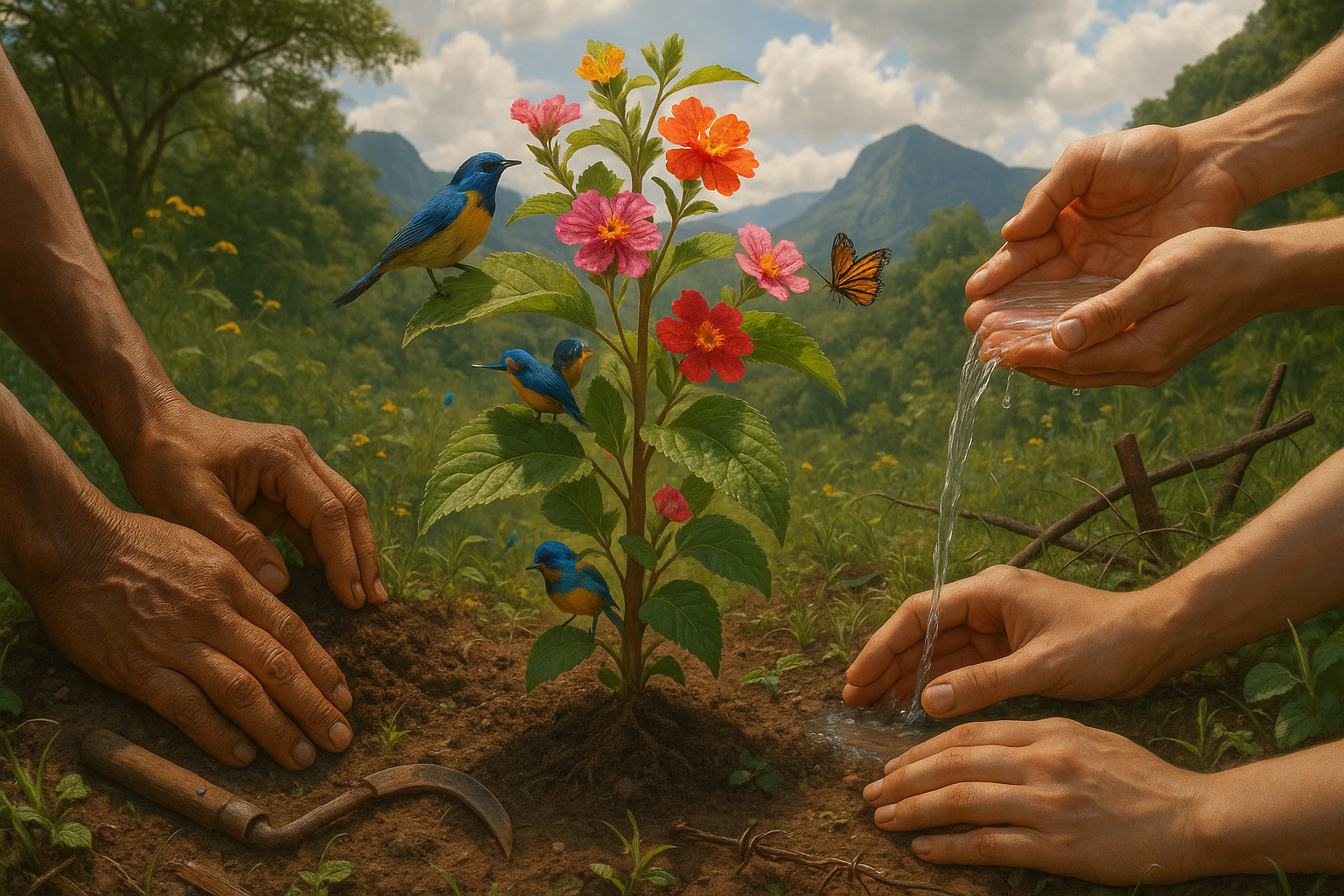
As we conclude our exploration of the colonial impact on sacred flora, it’s clear that colonization not only transformed economies and societies but also profoundly disrupted the spiritual and ecological relationships between Indigenous peoples and their plant traditions. Sacred plants — once central to rituals, medicine, and identity — were often commercialized, outlawed, or misunderstood under colonial systems that prioritized exploitation over reverence.
The true legacy of this impact lies in both loss and resilience. 🌎💫 While many sacred species faced desecration, displacement, or extinction, communities around the world have preserved ancestral knowledge through oral traditions, ritual practice, and ecological restoration. Today, efforts to reclaim and protect sacred flora symbolize more than environmental healing — they represent cultural survival and the reawakening of respect for nature’s sanctity. Ultimately, understanding the colonial impact on sacred flora is not just an act of historical reflection, but a call to restore balance — honoring the plants that once, and still, connect humanity to the divine.