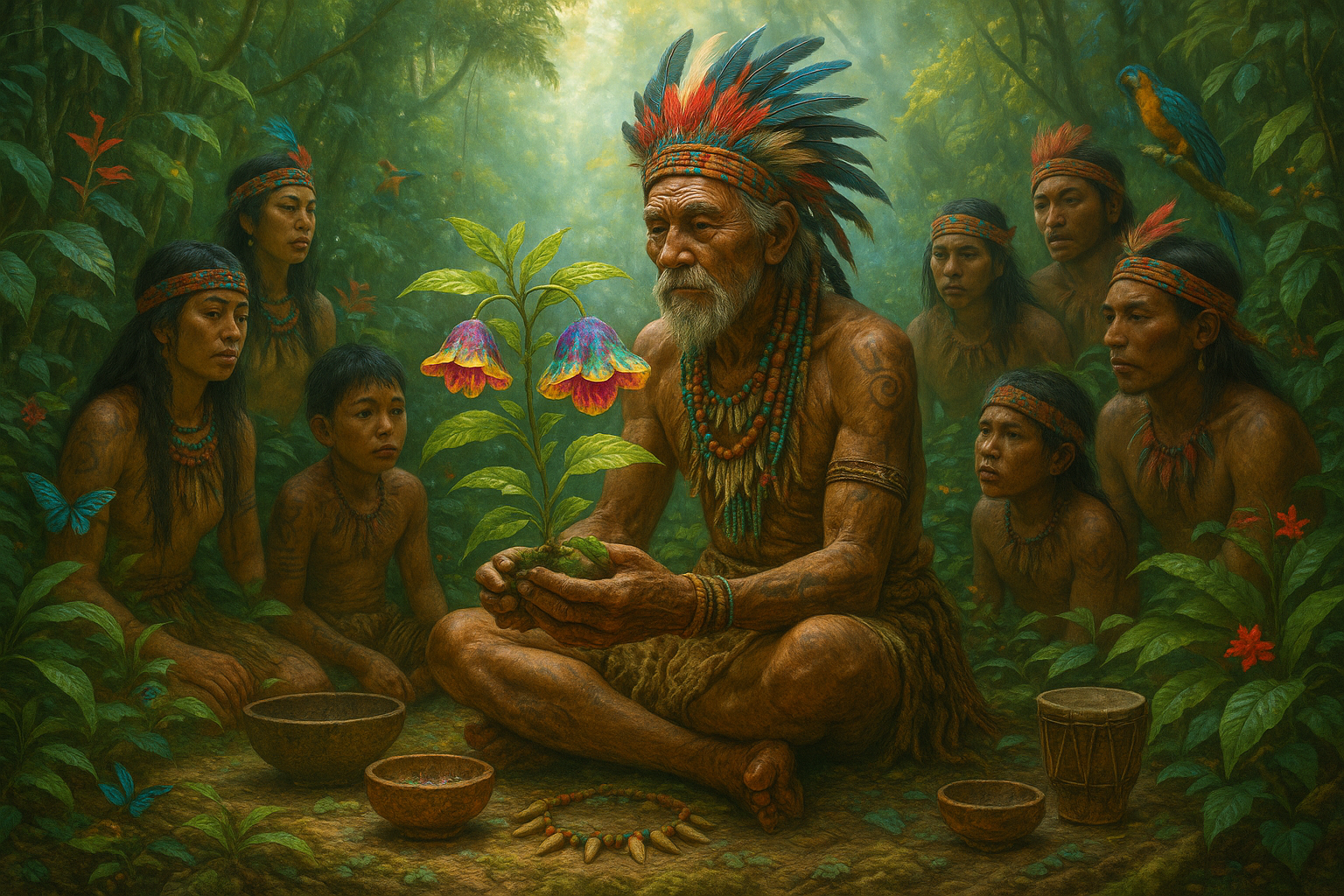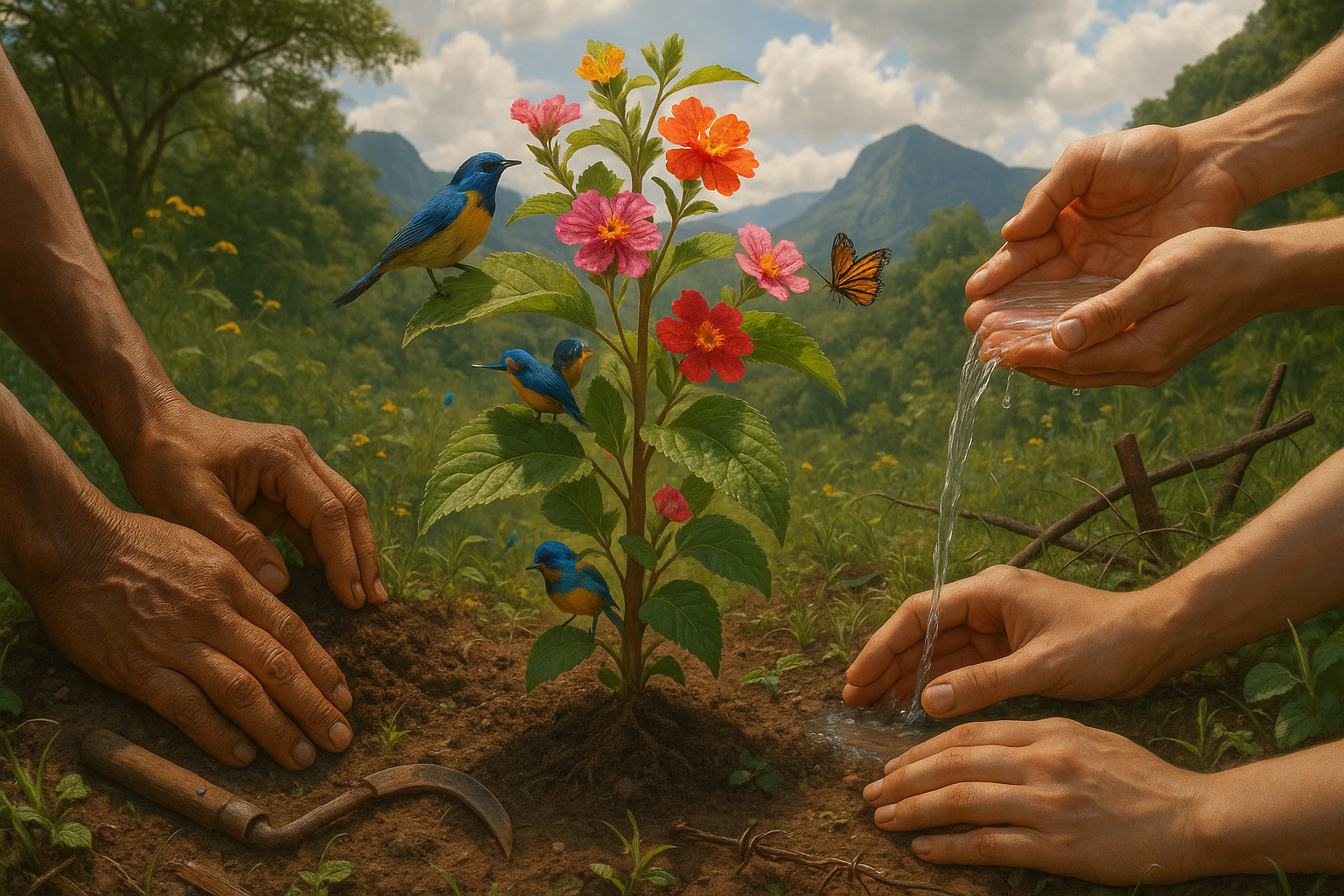
In a world where modern science often dominates the conversation, the whispers of ancient wisdom still echo with profound resonance. 🌿 The medieval era, with its intricate tapestries of rituals and beliefs, offers a treasure trove of insights into the natural world. Among these, the use of herbs in ceremonies stands out as a fascinating testament to human ingenuity and connection with nature. But what secrets do these herbal codes hold, and how did they shape the spiritual and daily lives of medieval communities?

The allure of medieval ceremonies lies not just in their mysticism but in their deep-rooted symbolism and practical applications. Herbs, often seen as mere plants today, were once revered as powerful tools for healing, protection, and spiritual enlightenment. Their use in ceremonies was both an art and a science, one that blended empirical knowledge with spiritual beliefs.
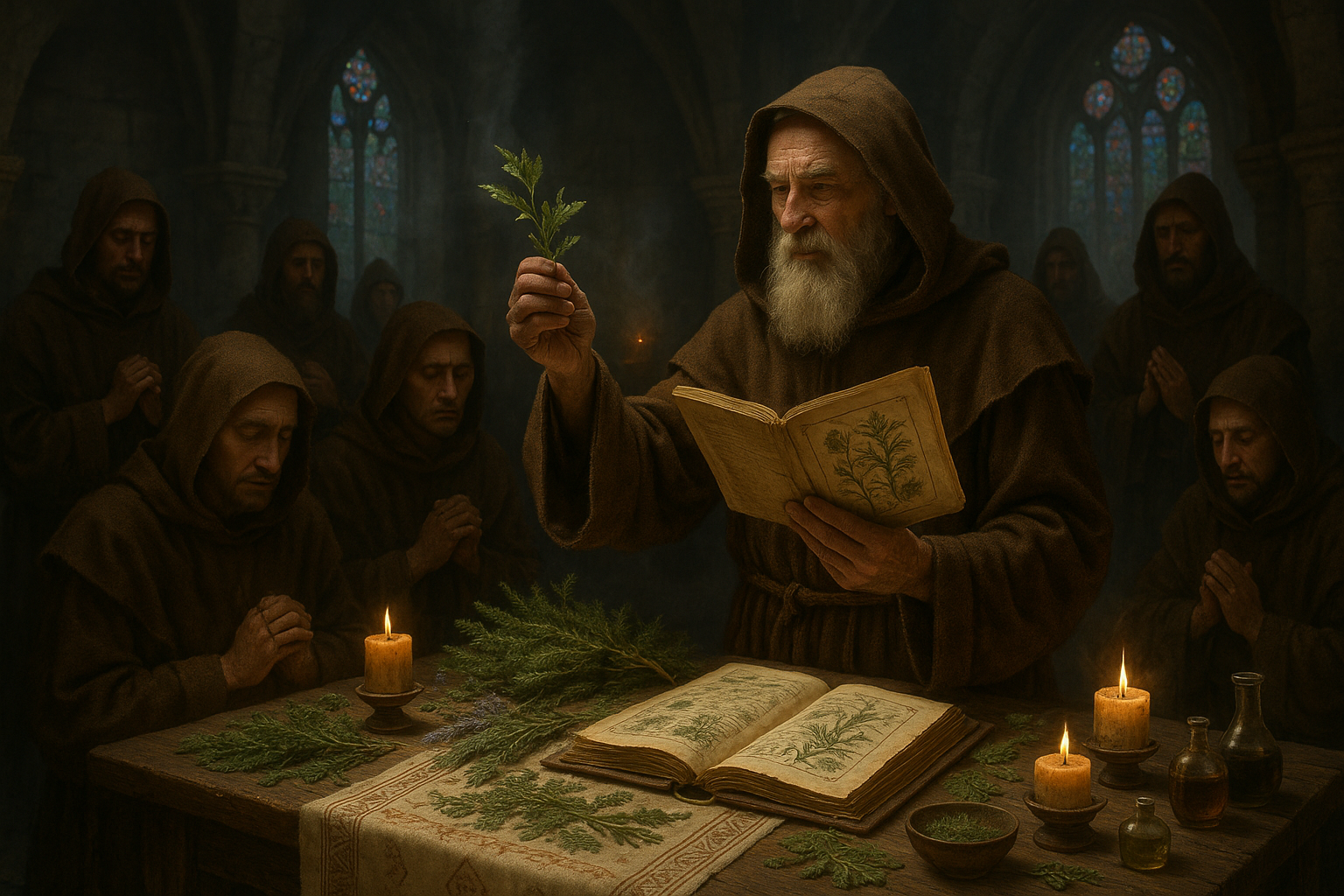
To truly appreciate the depth of herbal use in medieval ceremonies, we must journey back in time. Picture a dimly lit chamber, flickering candles casting shadows on stone walls. The air is thick with the scent of burning sage, a symbol of purification and protection. In this sacred space, every herb is chosen with care, each possessing unique properties and a story of its own. 🌾
This exploration will take us through the corridors of medieval knowledge, revealing the role of herbs in rituals of healing, love, and protection. We will uncover how these botanical allies were not only central to the spiritual practices of the time but also crucial in everyday life. From the mysterious mandrake, known for its potent magical properties, to the humble rosemary, a symbol of remembrance and fidelity, each plant has a tale to tell.
Moreover, we will delve into the fascinating interplay between herbal lore and the prevailing medical and religious beliefs of the era. Medieval practitioners, often the wise women or local healers, wielded their knowledge of plants like a finely honed blade. Their expertise was a blend of observation, tradition, and intuition, allowing them to unlock the potential of herbs in ways that resonate even today.
Our journey will also shed light on how the transmission of herbal knowledge was both a guarded secret and a shared communal resource. In a time where written texts were rare and precious, much of this wisdom was passed down orally, from one generation to the next. This tradition of storytelling ensured the survival of herbal codes through centuries of change and upheaval. 📜
As we unravel these ancient codes, we will consider their relevance in contemporary society. Can the principles and practices of medieval herbalism offer guidance in our modern quest for holistic well-being? By examining historical texts and recent findings, we’ll explore the potential for these time-honored practices to enrich our lives today.
Throughout this exploration, we will maintain a keen eye on the language and symbols used in medieval texts. Understanding these can reveal not only the practical applications of herbs but also the cultural and spiritual significance they held. The metaphors and allegories found in medieval manuscripts often provide a window into the worldview of the time, offering us a deeper understanding of how our ancestors perceived the natural world.
Join us as we embark on this captivating journey through the ages. Together, we will unlock the mysteries of herbal codes in medieval ceremonies, revealing a tapestry of wisdom that has the power to transform our relationship with nature and ourselves. 🌺
This article will be your guide, weaving through historical narratives, decoding symbols, and connecting the past with the present. By the end, you will not only gain insight into the rich tradition of medieval herbalism but also appreciate its timeless relevance. So, prepare to step into a world where every leaf and flower holds a secret, waiting to be discovered.
Conclusion
As we conclude our journey through ancient herbal wisdom, it becomes clear that the roots of modern medicine and holistic healing lie deep within the earth’s oldest traditions. From Egyptian papyri to Ayurvedic scrolls and Greco-Roman herbals, early civilizations recognized plants not merely as remedies, but as sacred allies — each leaf and root carrying symbolic, medicinal, and spiritual significance.
The true essence of ancient herbal wisdom lies in its harmony with nature’s rhythms. 🌎💫 These ancestral practices remind us that healing begins with understanding — of seasons, soil, and spirit alike. Whether used to soothe the body, purify the mind, or elevate the soul, herbs embody a living continuity between humanity and the natural world. Ultimately, unveiling ancient herbal wisdom is more than rediscovering forgotten cures — it’s reclaiming an ecological consciousness that honors balance, respect, and the timeless dialogue between life and the plants that sustain it.