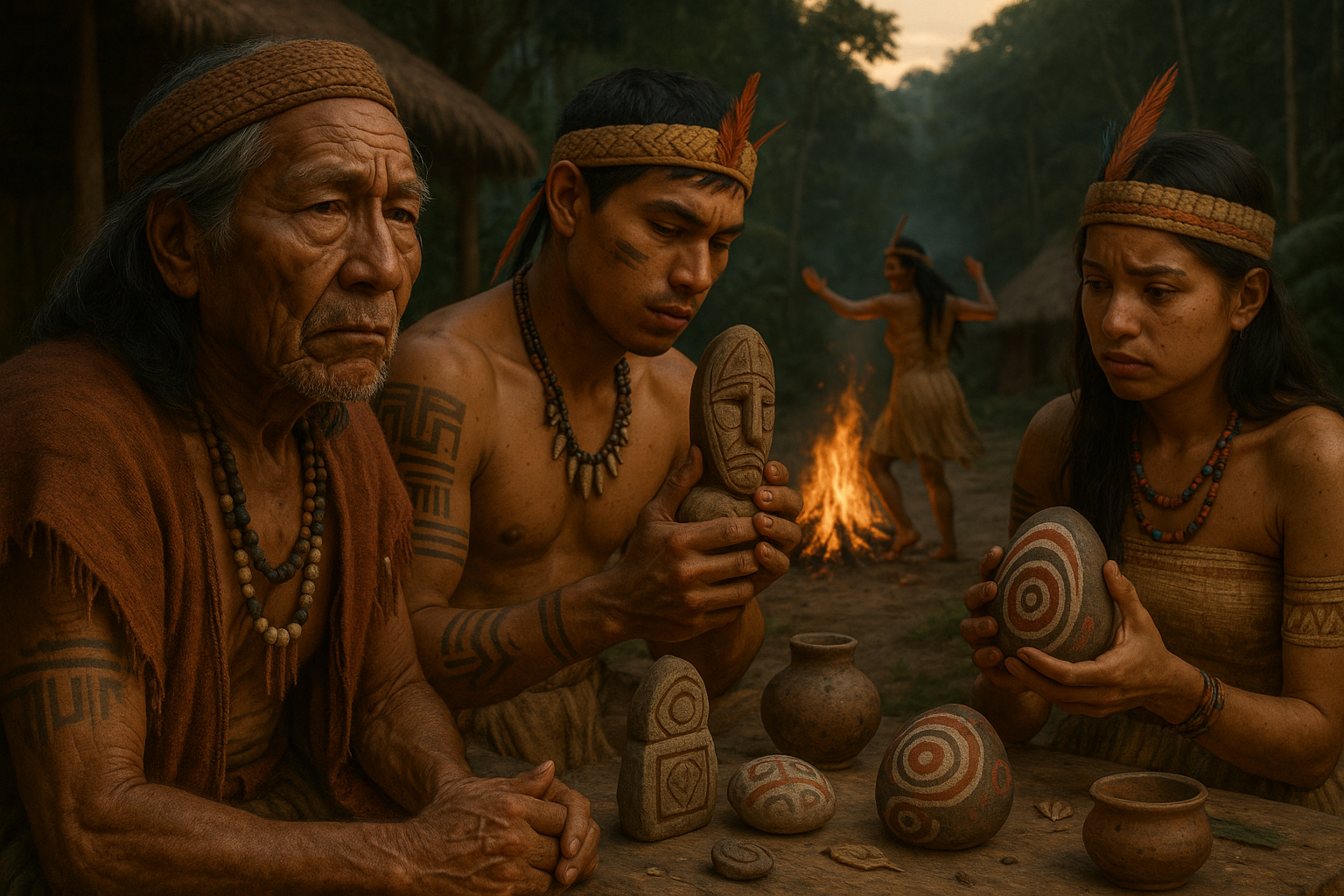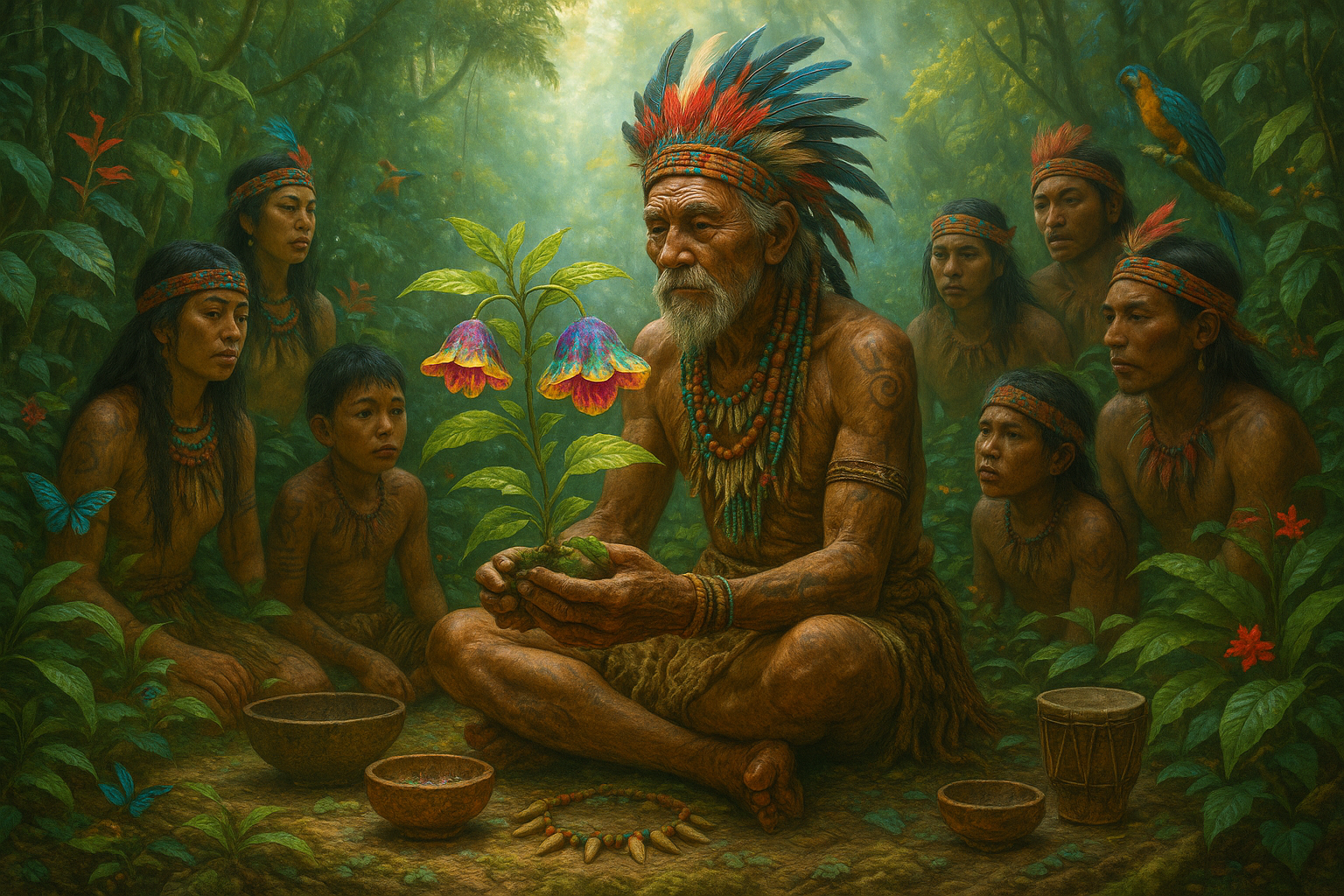
Throughout history, humans have been fascinated by the mysterious and transformative powers of hallucinogenic plants. From the sacred rituals of ancient civilizations to the counterculture movements of the 1960s, these natural substances have sparked curiosity, controversy, and even fear. 🌿 But why, in many parts of the world, are they deemed dangerous and even banned? What truths lie beneath the layers of stigma and prohibition? In this exploration, we delve into the captivating and complex world of hallucinogenic plants, uncovering the reasons behind their forbidden status and examining their potential to reshape our understanding of consciousness and healing.

Imagine stepping into a world where the boundaries of reality blur, and the ordinary transforms into the extraordinary. This is the world that hallucinogenic plants can unveil. For centuries, indigenous cultures have revered these plants as sacred tools for spiritual enlightenment and healing. However, as modern societies evolved, these mystical substances encountered skepticism and legal barriers. The conflict between traditional wisdom and contemporary norms raises compelling questions: Are these plants truly dangerous, or have misconceptions clouded their true potential?
The story of hallucinogenic plants is not just about ancient rituals and modern-day bans; it’s a narrative intertwined with human evolution, scientific inquiry, and cultural clashes. From the Amazon rainforest’s ayahuasca to the peyote cactus of North America, each plant carries a rich tapestry of historical significance and cultural heritage. Yet, despite their deep roots in human history, the legal status of these plants remains a hotly debated topic, shrouded in myths and misconceptions. In this blog post, we embark on a journey to unveil the truths hidden behind the forbidden use of these remarkable botanicals.
Our exploration will begin with a historical overview, tracing the use of hallucinogenic plants from ancient times to their current legal status. We’ll delve into the cultural significance of these plants among indigenous communities, highlighting their role in traditional ceremonies and healing practices. This backdrop sets the stage for understanding the societal and political forces that led to their prohibition.
Next, we turn to the science behind the plants. What do we know about their chemical properties and the effects they have on the human brain? Advances in neuroscience and psychology have begun to unravel the mysteries of how these substances alter perception and consciousness. We’ll examine the latest research findings and discuss the potential therapeutic benefits that have sparked renewed interest in psychedelics as a treatment for mental health conditions. 🧠
But the journey doesn’t end there. The prohibition of hallucinogenic plants raises critical ethical and legal questions. We’ll explore the motivations behind their criminalization, from public health concerns to geopolitical influences. Are these bans justified, or do they reflect a broader misunderstanding of these plants’ potential? This section will also consider the shifting landscape of drug policy, as some regions reconsider their stance on psychedelics, leading to decriminalization and even legalization in certain contexts.
Finally, we’ll gaze into the future, pondering the implications of reintroducing hallucinogenic plants into modern society. What challenges and opportunities lie ahead? Can these substances be integrated safely and ethically into therapeutic and recreational settings? The conversation around hallucinogens is evolving rapidly, and understanding their role in contemporary culture is more important than ever.
As we peel back the layers of stigma and fear surrounding hallucinogenic plants, we invite you to keep an open mind. This exploration is not merely about substances that alter the mind but about the broader quest for knowledge, healing, and understanding. Join us as we challenge conventional narratives and illuminate the path toward a more informed and balanced perspective on these enigmatic plants. 🌱
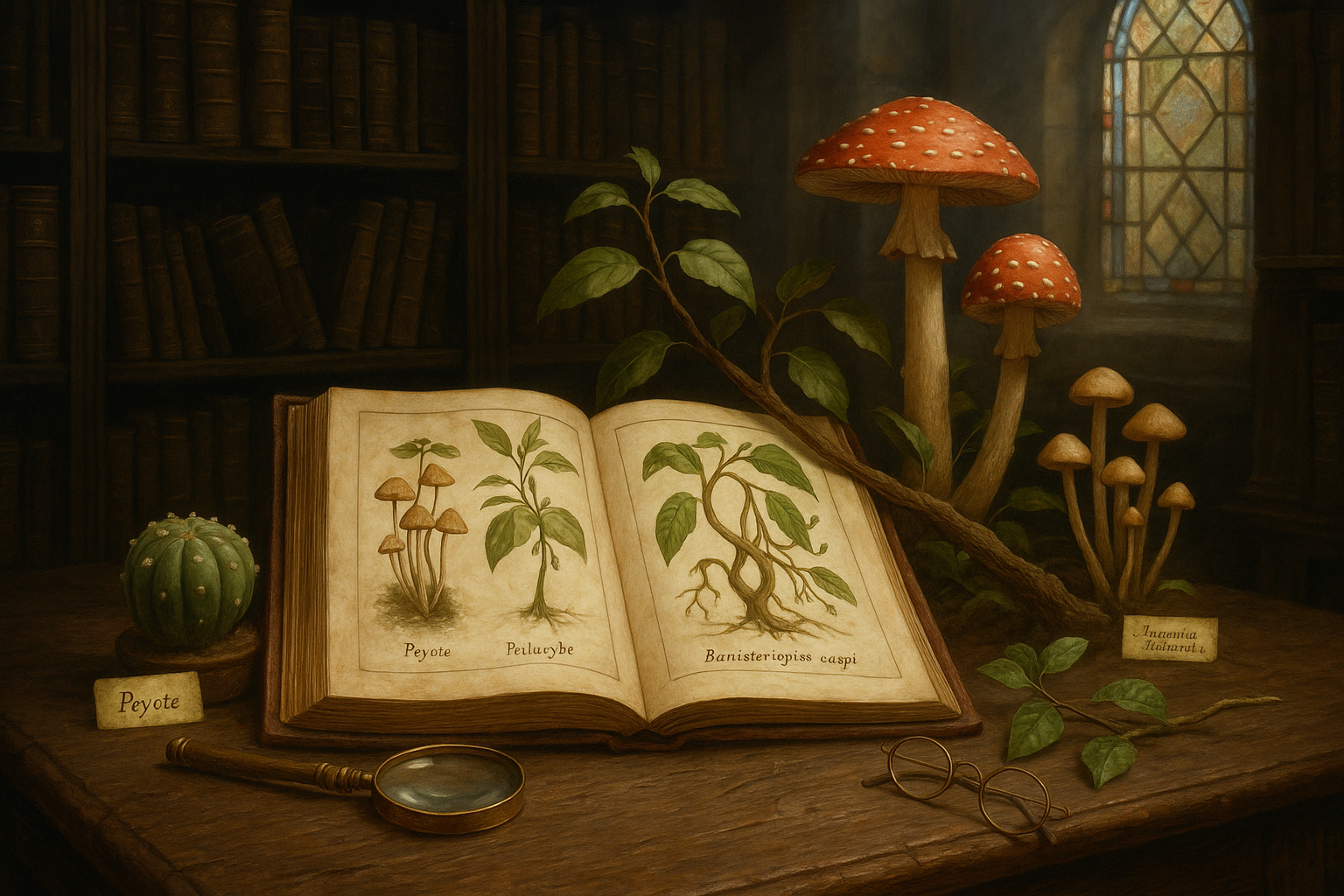
Conclusion
Throughout this article, we embarked on a fascinating journey into the world of hallucinogenic plants, uncovering the reasons behind their prohibition and the potential they hold for both cultural and scientific realms. We explored the historical context of these plants, their role in traditional practices, and the controversial legal status that surrounds them today. 🧙♂️🌿
To begin with, we delved into the rich tapestry of history, understanding how hallucinogenic plants have been used for centuries by indigenous cultures for spiritual and medicinal purposes. These plants, such as Ayahuasca, Peyote, and Psilocybin mushrooms, have long been considered sacred and integral to various rituals aimed at healing and spiritual enlightenment. Their use was deeply intertwined with cultural identity and religious practices, showcasing the profound respect and knowledge ancient cultures had regarding their environment and the natural world.
However, as we transitioned into the modern era, we observed a significant shift in the perception and legality of these plants. The 20th century saw a wave of prohibition, driven by political agendas, societal fears, and a lack of understanding about the true nature and effects of these substances. The war on drugs categorized these hallucinogens alongside more dangerous narcotics, leading to stringent regulations and a blanket ban on their use. This has not only stifled cultural practices but has also hindered scientific research that could unlock new therapeutic potentials. 🚫🔬
The article highlighted the growing body of research that suggests potential therapeutic benefits of hallucinogenic plants, particularly in the field of mental health. Recent studies indicate that substances like Psilocybin and Ayahuasca might offer relief for conditions such as depression, PTSD, and anxiety, which are often resistant to traditional treatments. The resurgence of interest in psychedelics in the scientific community marks a critical turning point in understanding and potentially redefining their place in medicine. These findings challenge the long-held stigmas and prompt a reevaluation of current drug policies.
Furthermore, we discussed the ethical considerations and the importance of approaching this topic with sensitivity and respect for indigenous knowledge. The commercialization and exploitation of these plants raise concerns about cultural appropriation and the sustainability of natural resources. It is crucial to engage with this topic ethically, ensuring that indigenous communities are respected and included in conversations about the legal and medical use of these plants.
In conclusion, the journey to unveiling the truth behind the banned use of hallucinogenic plants is complex and multifaceted. The interplay of historical, cultural, and scientific perspectives provides a richer understanding of why these plants have been both revered and reviled. It is imperative that we continue to question and explore, fostering a dialogue that respects cultural heritage while embracing scientific innovation.
As we look to the future, the potential for these plants to contribute to both cultural and medical advancements is immense. The ongoing research and evolving legal landscapes offer hope for a more nuanced approach to psychedelics, one that balances the rich tapestry of human experience with the rigorous demands of science. 🧠✨
We encourage you, our readers, to delve deeper into this subject, to question preconceived notions, and to engage with the ongoing discussions about the role of hallucinogenic plants in modern society. Your thoughts and insights are invaluable to this conversation, and we invite you to share your perspectives in the comments below. If you found this article enlightening, consider sharing it with others who might benefit from a deeper understanding of this topic. Together, we can foster a more informed and open-minded dialogue. 🌍💬
For further reading and to stay updated on the latest research and discussions, explore the following resources:
- Multidisciplinary Association for Psychedelic Studies (MAPS) – Psilocybin Research
- National Center for Biotechnology Information – The Therapeutic Potential of Ayahuasca
- Nature – Psychedelics and Mental Health
Let us pave the way for a future where the potential of these ancient plants can be harnessed responsibly and respectfully. Thank you for joining us on this enlightening journey.