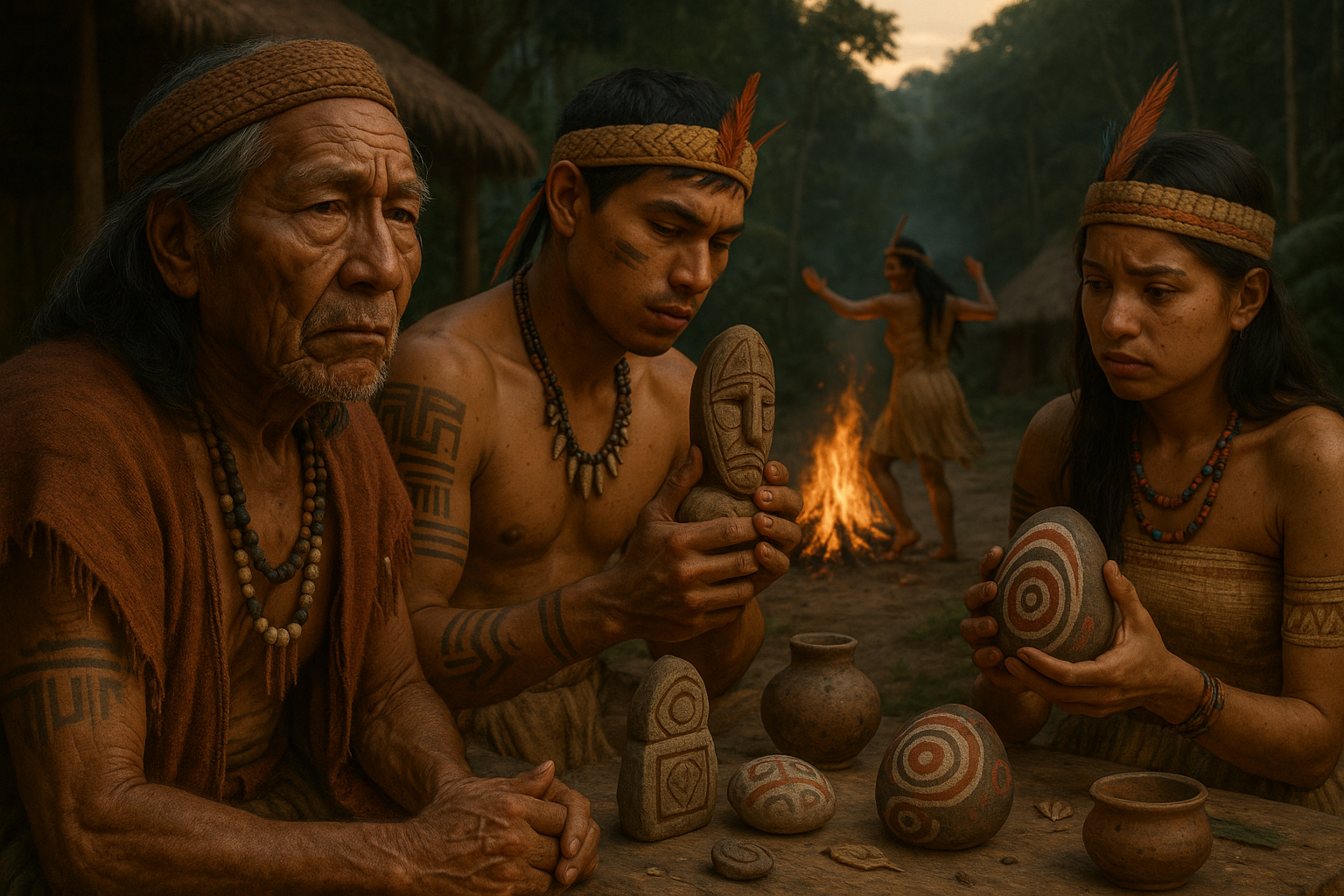
Imagine stepping into a world where nature whispers secrets of ancient times, where each leaf, root, and flower holds a story waiting to be told. 🌿 This isn’t just a whimsical fantasy, but a tangible reality hidden in the most unexpected places—ritual grounds where botanical maps lie in wait, crafted by the hands of nature and time. These sacred spaces, often shrouded in mystery, invite us to explore their enigmatic landscapes, revealing nature’s hidden treasures that have fascinated humankind for centuries.

In a time when the rush of modern life often drowns out the gentle murmurs of the natural world, reconnecting with these mystical places offers more than just a respite. It’s a journey into the heart of nature’s wisdom, where ancient practices and botanical wonders intertwine. But what exactly are these botanical maps, and why do they hold such significance?
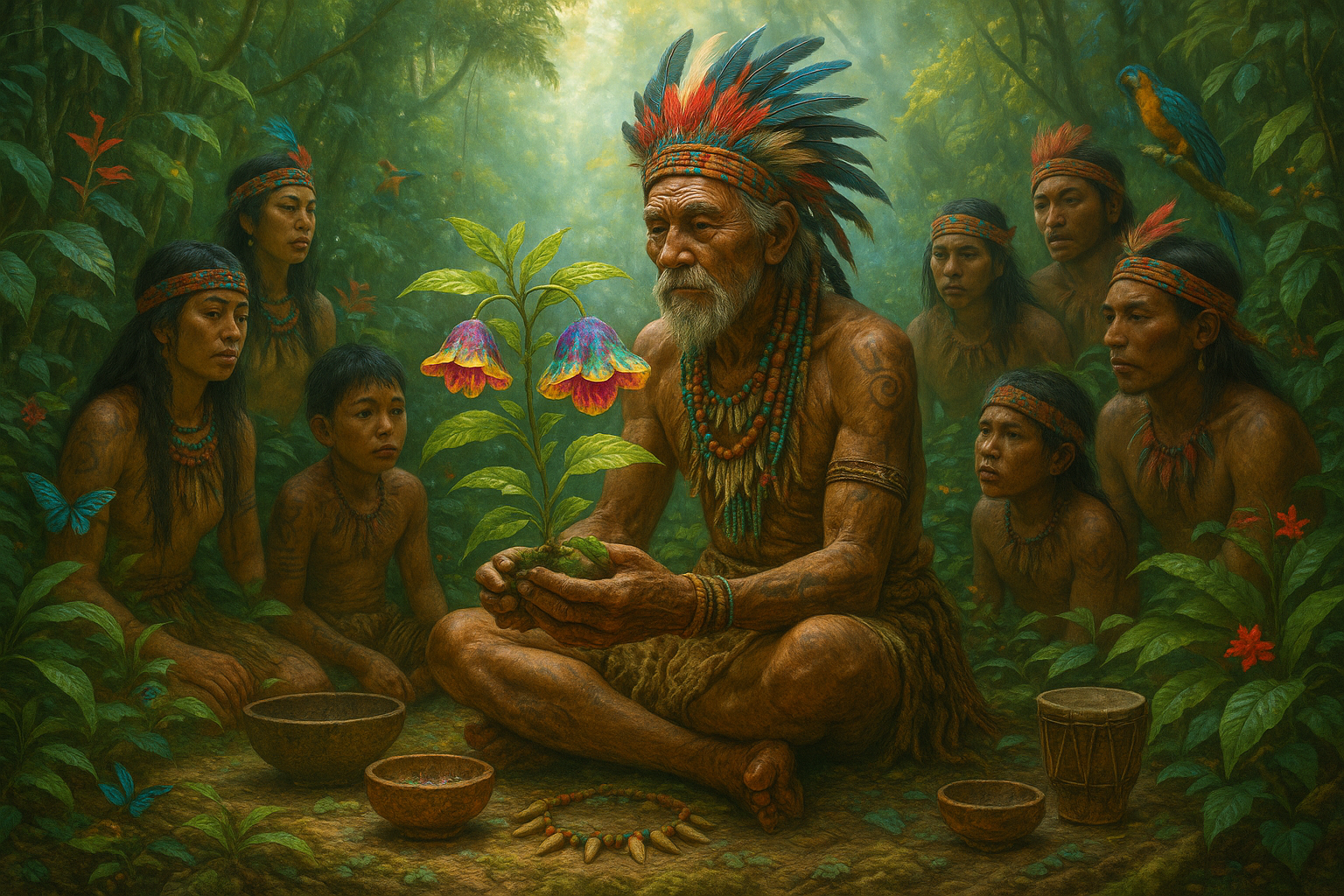
Botanical maps are not mere drawings or charts. They are living, breathing ecosystems that have been cultivated with purpose and intention. Each plant is strategically placed, holding symbolic and practical significance that transcends the mere physicality of the ritual grounds. From ancient civilizations to indigenous tribes, these maps have served as guides, helping shamans, healers, and spiritual leaders navigate the complex tapestry of life and spirituality.
As we delve deeper into the mysterious world of hidden botanical maps, we will uncover how these natural designs have been used to facilitate rituals, heal the body, and connect the soul to the cosmos. 🌌 We will explore the role of sacred geometry in shaping these spaces, revealing how ancient wisdom continues to influence modern practices. The intricate patterns and alignments found in these maps often mirror the cosmos, suggesting a profound connection between earthly life and the universe.
Additionally, we will shed light on the cultural and historical contexts that have given rise to these ritual grounds. From the lush rainforests of the Amazon to the arid deserts of the Southwest, every region offers a unique perspective on how nature’s secrets have been harnessed to serve spiritual and medicinal purposes. Through this exploration, we aim to bridge the gap between past and present, offering insights into how we can integrate these timeless practices into our contemporary lives.
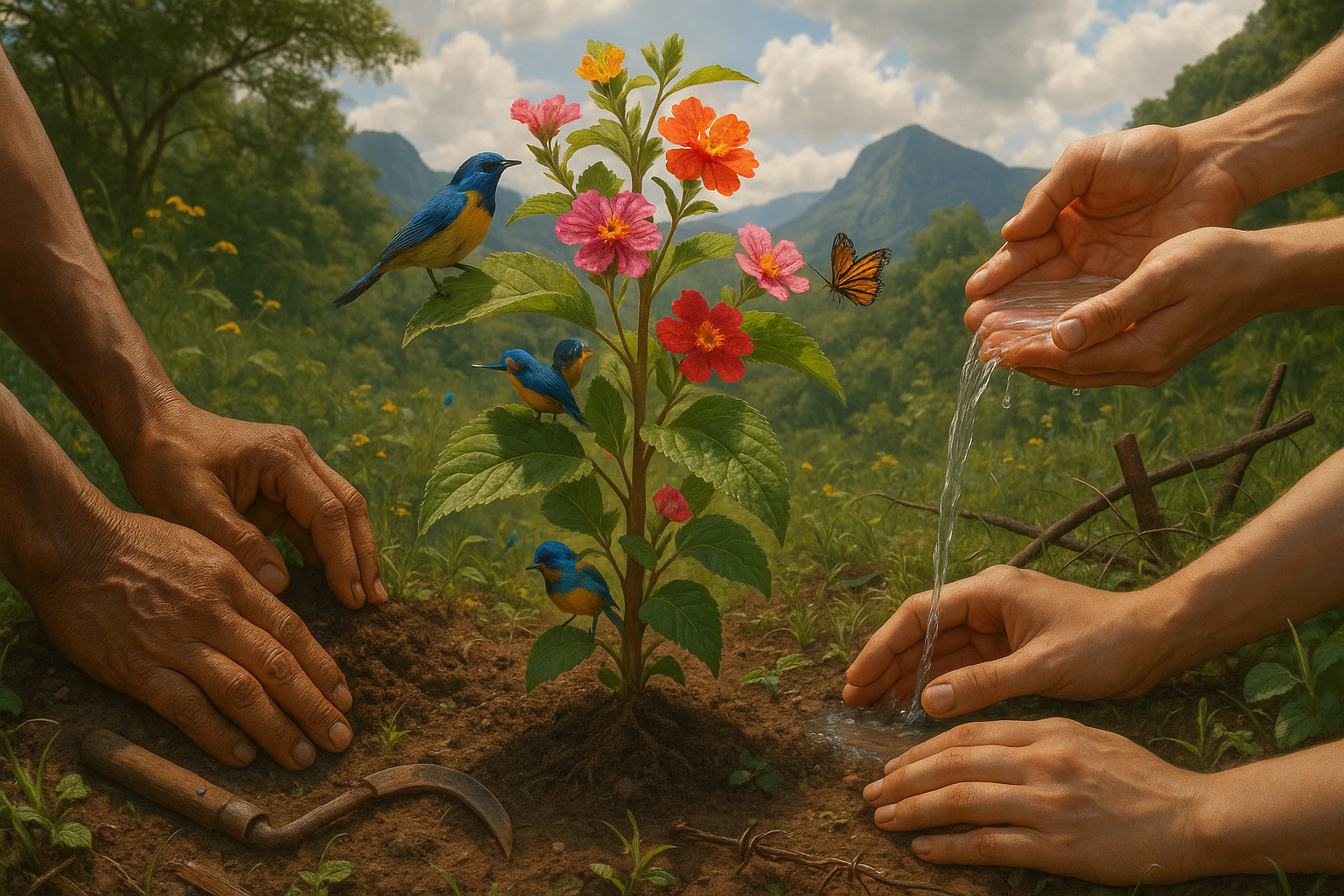
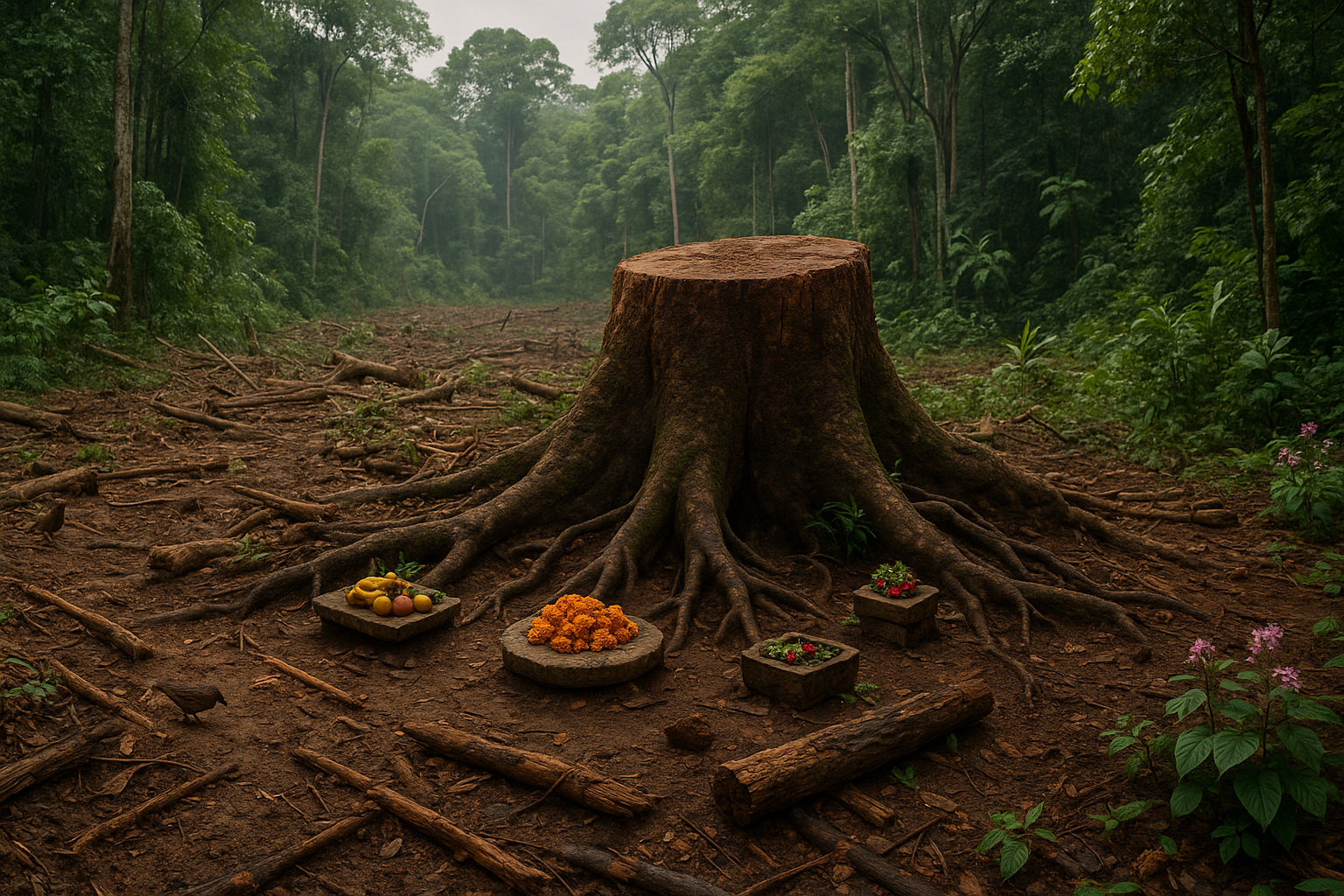
Furthermore, our journey will reveal the importance of conservation and respect for these sacred spaces. As the pressures of urbanization and industrialization threaten their existence, understanding the value of botanical maps becomes crucial. By appreciating the delicate balance they maintain, we can advocate for the preservation of biodiversity and cultural heritage, ensuring that future generations can also experience the awe and wonder these places inspire.
In the coming sections, you will be invited to delve into specific examples of hidden botanical maps, each with its own unique story and significance. We will discuss the diverse plant species that populate these areas and the specific roles they play in the rituals and traditions they support. 🌺 You will learn about the symbiotic relationships between plants and humans, and how these connections have been cultivated over millennia to foster harmony and healing.
This exploration is not just an academic endeavor but a call to action. By engaging with the mysteries of nature’s hidden treasures, we can cultivate a deeper understanding of our place in the world and our responsibility as stewards of the earth. As we navigate through the unfolding chapters, let curiosity be your guide and wonder your companion.
Get ready to uncover the secret world of hidden botanical maps on ritual grounds. Each step you take on this journey will bring you closer to the heart of nature’s enduring legacy, where the past, present, and future converge in a harmonious dance of life.
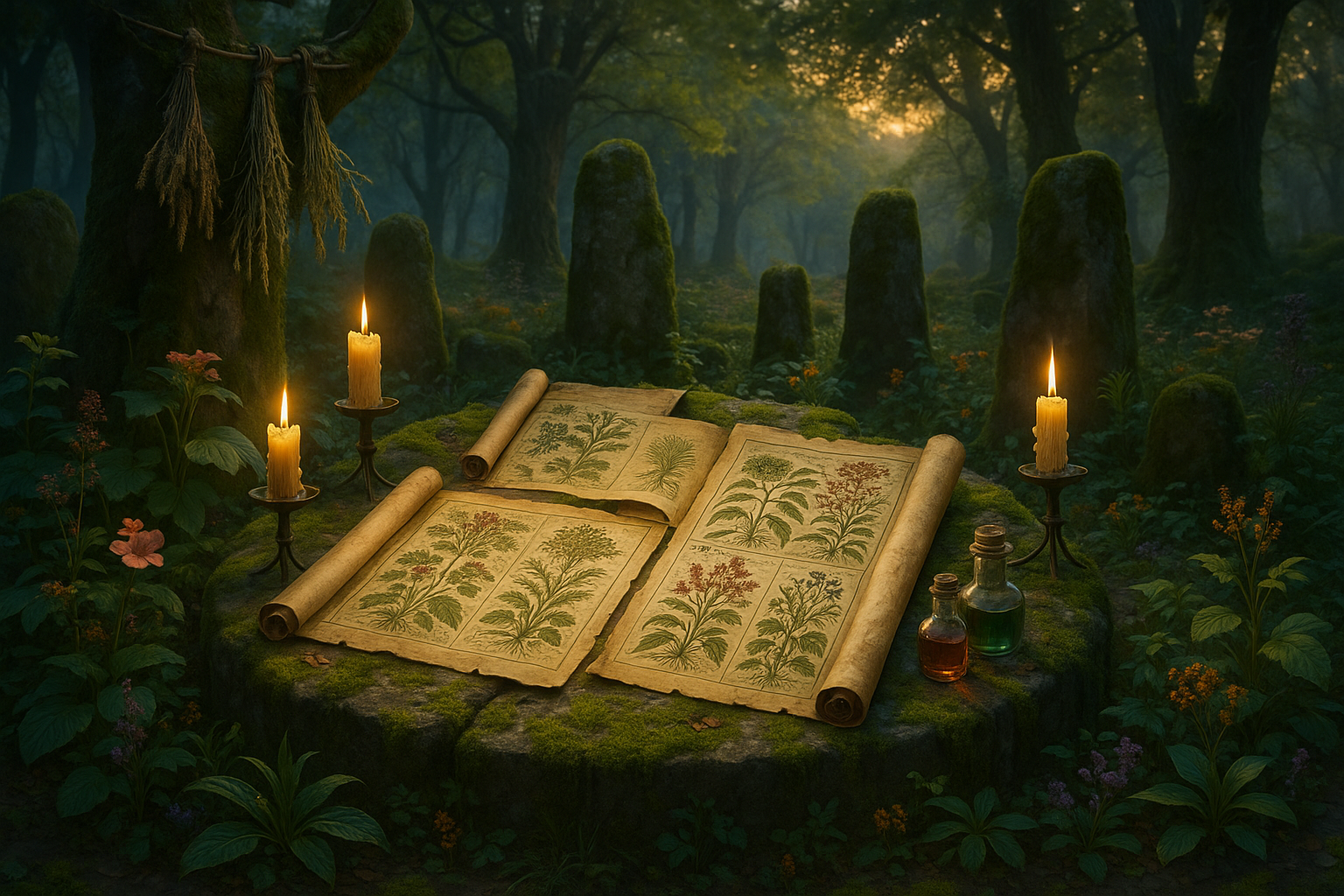
Conclusion: Delving into the Mystical World of Hidden Botanical Maps 🌿
As we journey to the end of our exploration into the enigmatic realm of hidden botanical maps on ritual grounds, it is crucial to reflect upon the key insights we’ve uncovered. This journey has been nothing short of fascinating, as we’ve peeled back the layers of time and tradition to reveal the hidden treasures nature has to offer in these sacred spaces. The intricate interplay between nature and culture has long fascinated scholars, historians, and nature enthusiasts alike, and our exploration has only deepened this intrigue.
Throughout this article, we’ve traversed through various dimensions of this captivating subject. We began by setting the stage for understanding the historical context and significance of botanical maps found in ritual grounds. These sacred spaces, often steeped in mystery and lore, serve as gateways to a deeper understanding of the symbiotic relationship between humans and nature. From ancient civilizations to indigenous tribes, these maps have guided spiritual practices and ceremonial rites, offering a profound connection to the earth.
We delved into the methodologies employed by researchers to uncover these hidden maps, highlighting the blend of modern technology and traditional knowledge. The use of techniques such as ground-penetrating radar, aerial imagery, and advanced cartography has revolutionized our ability to unveil these botanical treasures without disturbing their sanctity. This synergy of science and spirituality serves as a testament to the enduring legacy of these sacred spaces.
Furthermore, we explored the ecological significance of these maps. The plants and natural features encoded within these maps often hold medicinal properties and ecological value that modern science continues to uncover. This understanding reinforces the importance of preserving these sites, not just as cultural artifacts, but as vital components of our natural world. 🌍
The cultural and spiritual dimensions of these botanical maps cannot be understated. For many communities, they are living testimonies of ancestral wisdom and spiritual guidance. They offer insights into the values, beliefs, and practices of those who walked the earth before us, allowing us to forge a deeper connection with our heritage and the environment. The rituals performed in these sacred spaces, guided by the botanical maps, continue to resonate with those seeking a deeper connection with the natural world.
In considering the broader implications of our findings, it becomes evident that these hidden botanical maps are more than just relics of the past. They are blueprints for a harmonious existence with nature, offering valuable lessons in sustainability and ecological balance. As we face unprecedented environmental challenges, the wisdom encapsulated in these maps could serve as a guiding light for a more sustainable future.
The topic of hidden botanical maps on ritual grounds is not merely an academic curiosity; it is a call to action. We must acknowledge the significance of preserving these sacred spaces and their botanical secrets. Whether through supporting conservation efforts, advocating for the rights of indigenous communities, or simply fostering a deeper appreciation for nature, there are countless ways we can contribute.
We invite you, dear reader, to join this journey of discovery and preservation. Share this article with others who might be intrigued by the mysteries of nature’s hidden treasures. Engage in discussions, both online and offline, to spread awareness of the importance of these sacred spaces. Most importantly, consider how you can incorporate the lessons learned from these botanical maps into your own life, nurturing a deeper connection with the natural world. 🌱
In conclusion, the secret world of hidden botanical maps on ritual grounds offers a rich tapestry of history, culture, and nature. It is a testament to the enduring relationship between humans and the earth, inviting us to explore, learn, and preserve. Let us continue to cherish these sacred spaces, ensuring their wisdom and beauty endure for generations to come.
For further reading and exploration, we recommend visiting reputable sources such as the National Geographic and the UNESCO, where you can find more information on cultural and natural heritage sites worldwide.
Thank you for joining us on this enlightening journey. We hope you leave inspired and eager to uncover more of nature’s hidden wonders. ✨
This conclusion aims to encapsulate the essence of the topic while encouraging engagement and action from the reader. The use of emojis is strategic to enhance engagement without overwhelming the text.