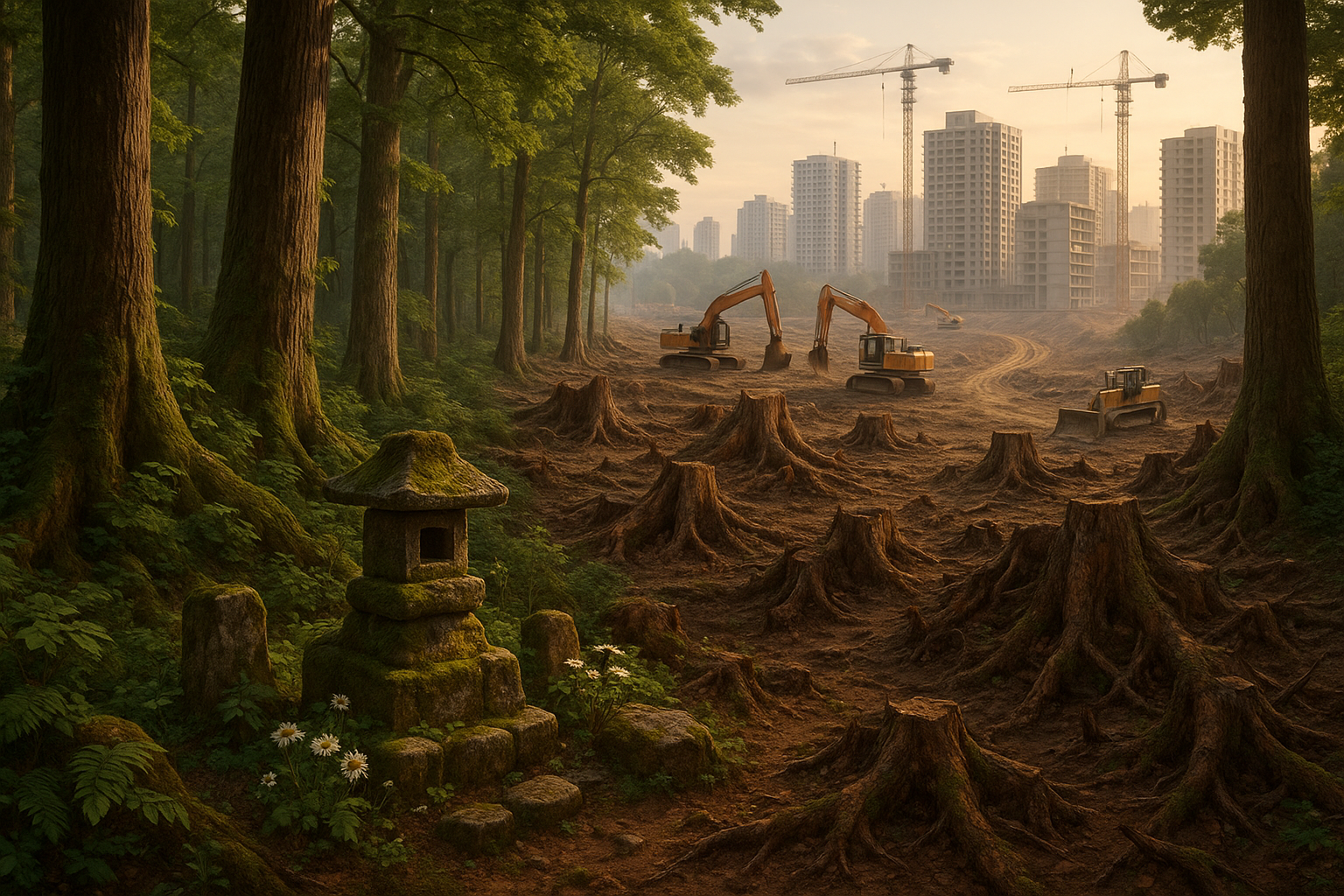
Amidst the cacophony of honking cars and the relentless pace of urban life, it’s easy to overlook the silent cries of the ancient guardians of our natural world: the sacred groves 🌳. These mystical woodlands, steeped in history and spirituality, are increasingly threatened by the ceaseless march of urbanization. As cities expand and concrete jungles replace real ones, the delicate balance of these ecosystems is disrupted, often with irreversible consequences.

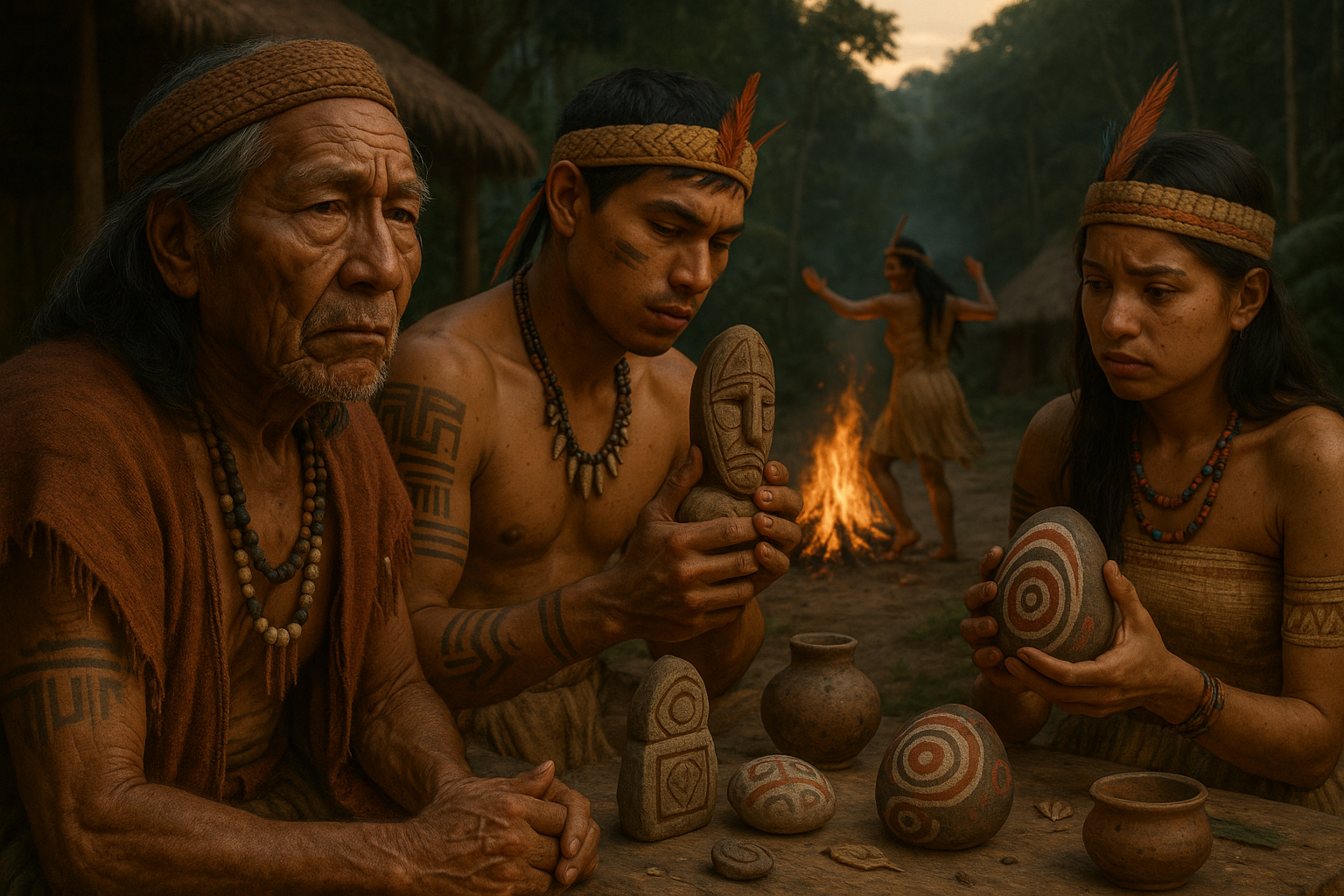
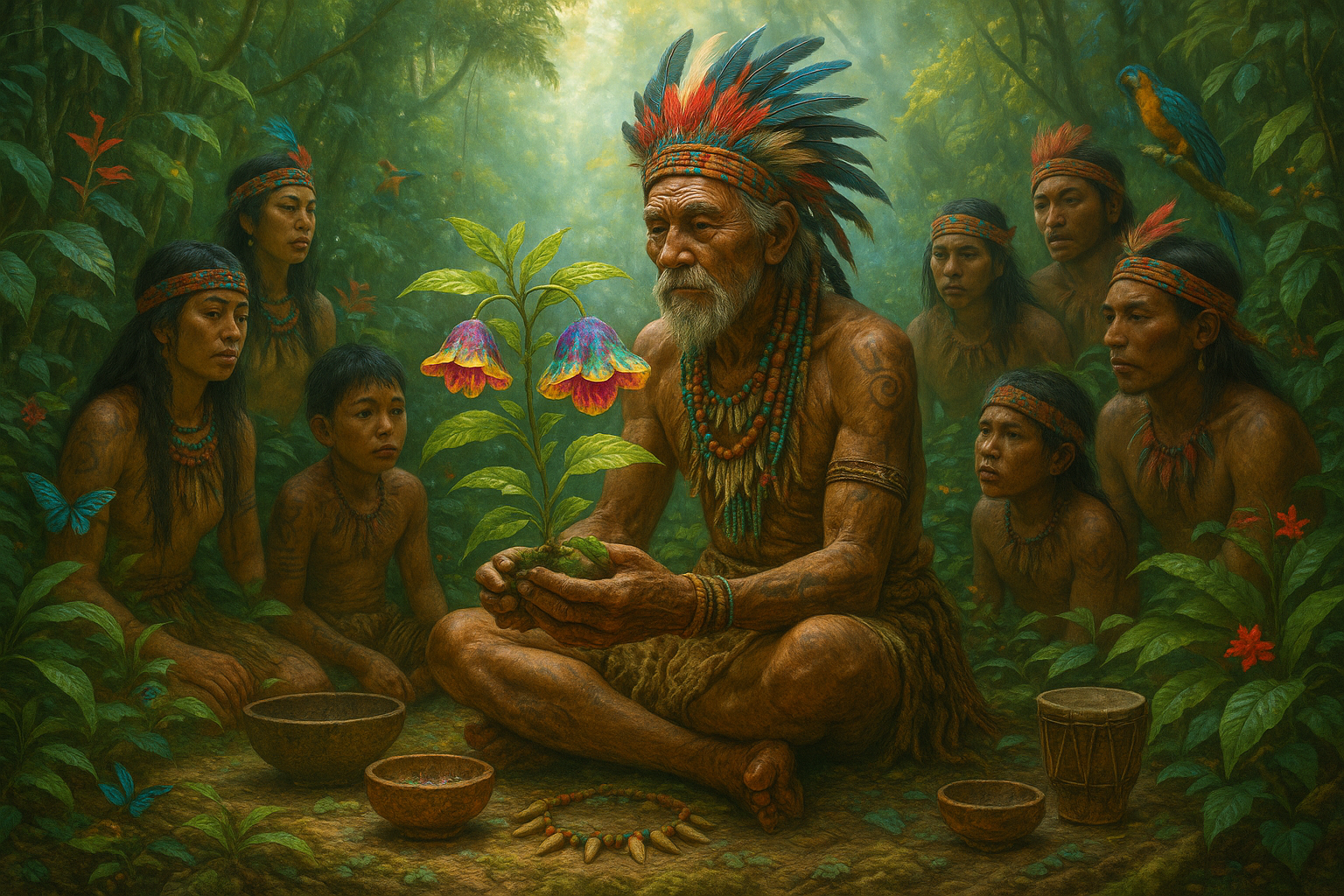
Sacred groves have been revered for centuries, often serving as sanctuaries of biodiversity and cultural heritage. Traditionally, these groves have been protected by local communities who regard them as sacred sites, imbued with spiritual significance. They are the custodians of indigenous flora and fauna, many of which are not found elsewhere, and serve as living museums of cultural and ecological wisdom.
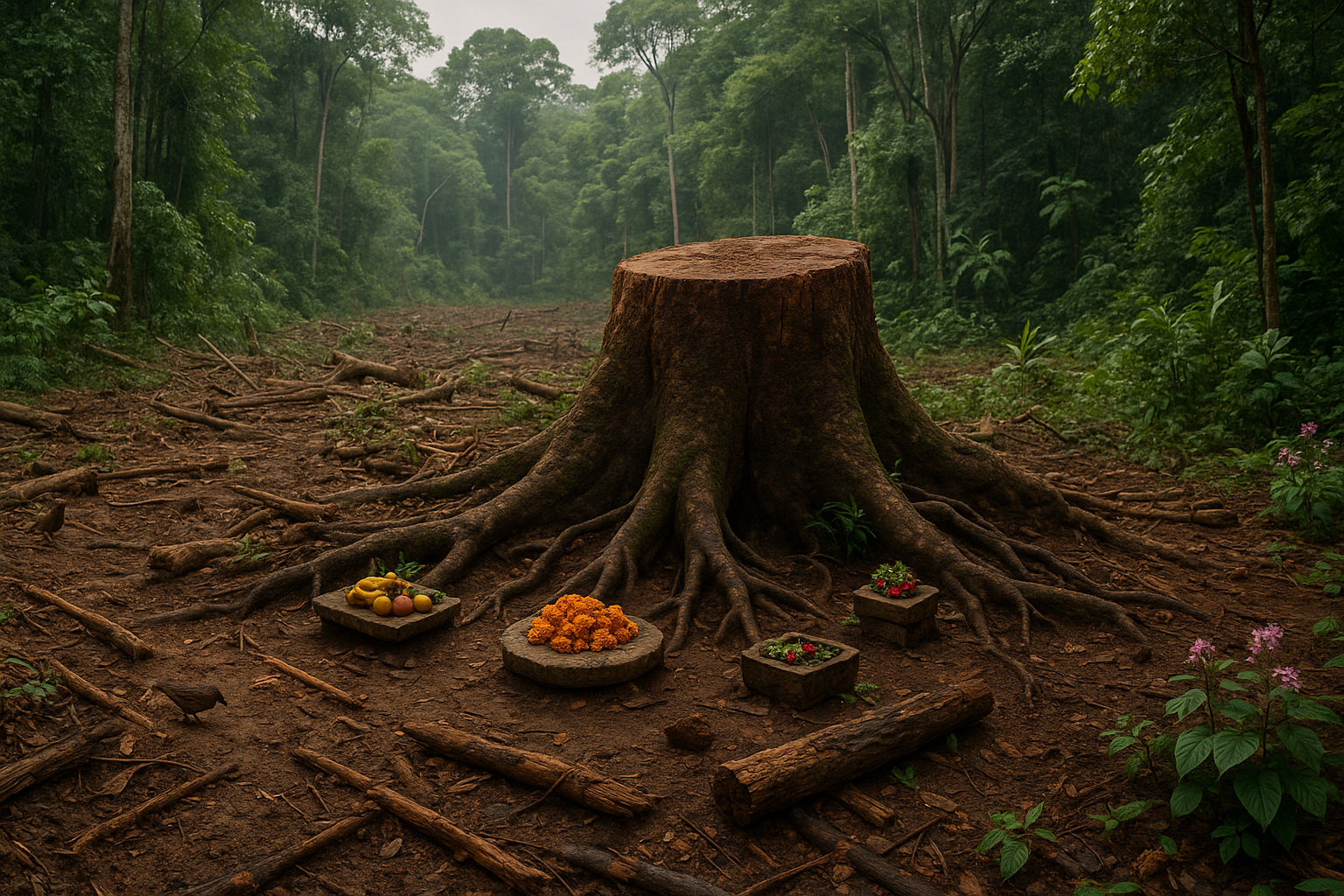
However, with the rise of urban development, these green sanctuaries face unprecedented threats. The relentless spread of cities is encroaching upon these sacred spaces, leading to their gradual destruction. This transformation is not just an environmental concern but also a cultural and spiritual crisis. The loss of sacred groves signifies the erosion of traditional knowledge and cultural identity, as well as the depletion of biodiversity.
In this article, we will delve into the multifaceted challenges facing sacred groves today. We’ll explore the historical and cultural significance of these ancient woodlands and the invaluable role they play in maintaining ecological balance. We will also discuss the pressures exerted by urban growth, from infrastructure development to population expansion, and how these forces threaten the very existence of sacred groves.
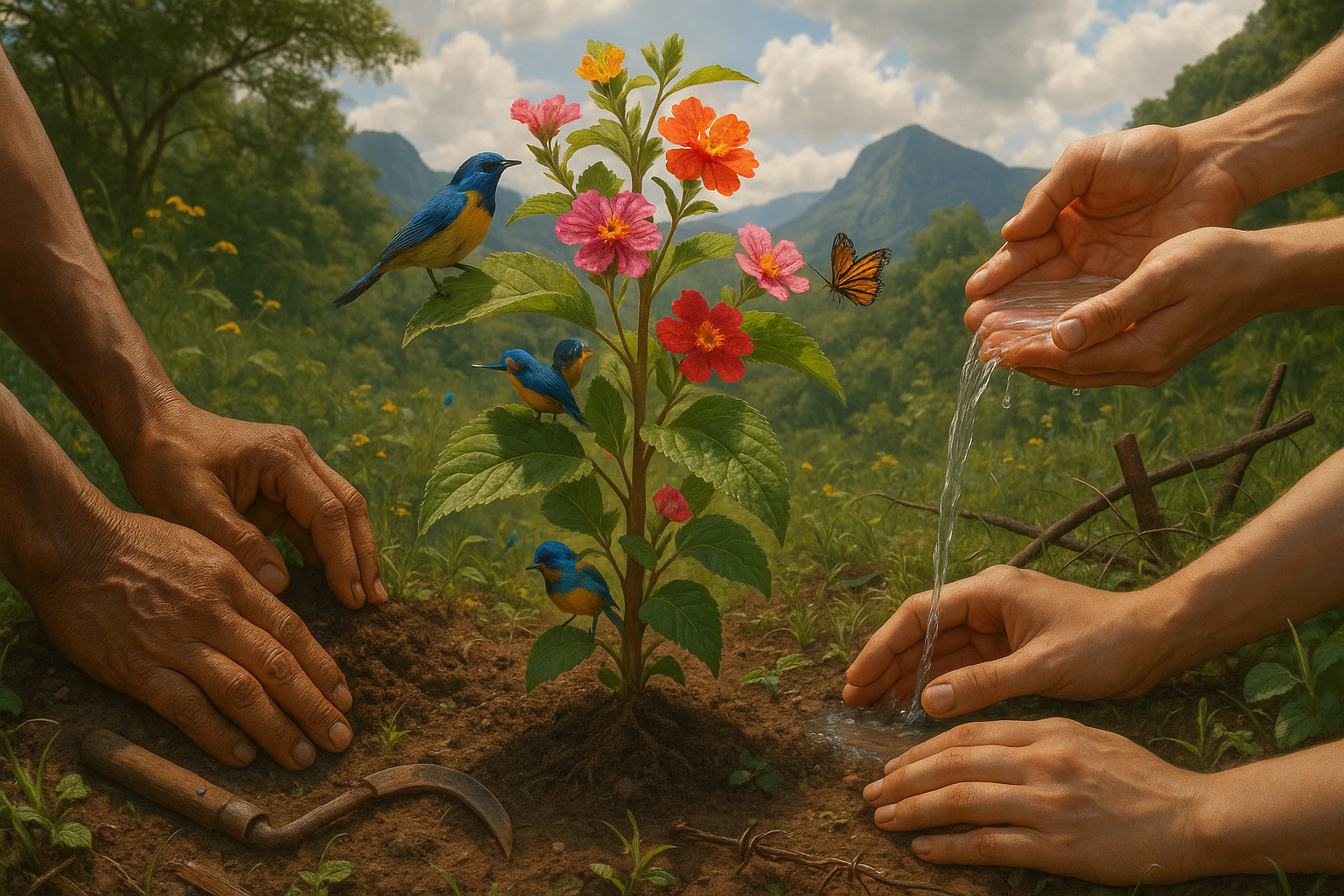
Moreover, we will highlight inspiring stories of resilience and preservation. Communities across the globe are standing up to protect their sacred lands, employing innovative strategies and traditional practices to safeguard these precious ecosystems. From legal frameworks to community-led initiatives, there are numerous efforts underway to ensure that these groves are not lost to the tides of modernization 🌿.
The article will also address the global implications of losing sacred groves. Beyond their local importance, these areas are part of a larger environmental puzzle. They play a critical role in carbon sequestration, water regulation, and climate moderation. The loss of sacred groves can have cascading effects, contributing to climate change and biodiversity loss, issues that transcend national borders and require global attention.
As we navigate through these topics, we will consider what can be done to strike a balance between development and conservation. Is there a way to harmonize urban expansion with the preservation of natural and cultural heritage? We will explore potential solutions and policies that could protect these invaluable ecosystems while accommodating the needs of growing urban populations.
By the end of this article, you will not only have a deeper understanding of the challenges facing sacred groves but also be inspired to take action. Whether it’s supporting conservation efforts or raising awareness, each of us has a role to play in ensuring these ancient guardians are preserved for future generations. Let’s embark on this journey to uncover the significance of sacred groves and the urgent need to protect them from the onslaught of urbanization. 🌍
Conclusion
As we conclude our exploration of the tension between urban growth and sacred groves, it’s clear that this struggle encapsulates one of the most profound challenges of modern development — balancing progress with preservation. Sacred groves, once protected as spiritual and ecological sanctuaries, are increasingly endangered by expanding cities that value land as commodity rather than heritage.
The true path forward lies in integration, not opposition. 🌎💫 By recognizing sacred groves as living archives of biodiversity, culture, and collective memory, urban planners and communities can design growth models that protect these spaces as vital lungs of the city. When nature and belief systems are woven into development, cities gain not just sustainability but soul. Ultimately, addressing the conflict between urban growth and sacred groves is more than environmental stewardship — it’s a moral and cultural imperative to ensure that the roots of reverence continue to thrive amid the concrete rise of modern civilization.