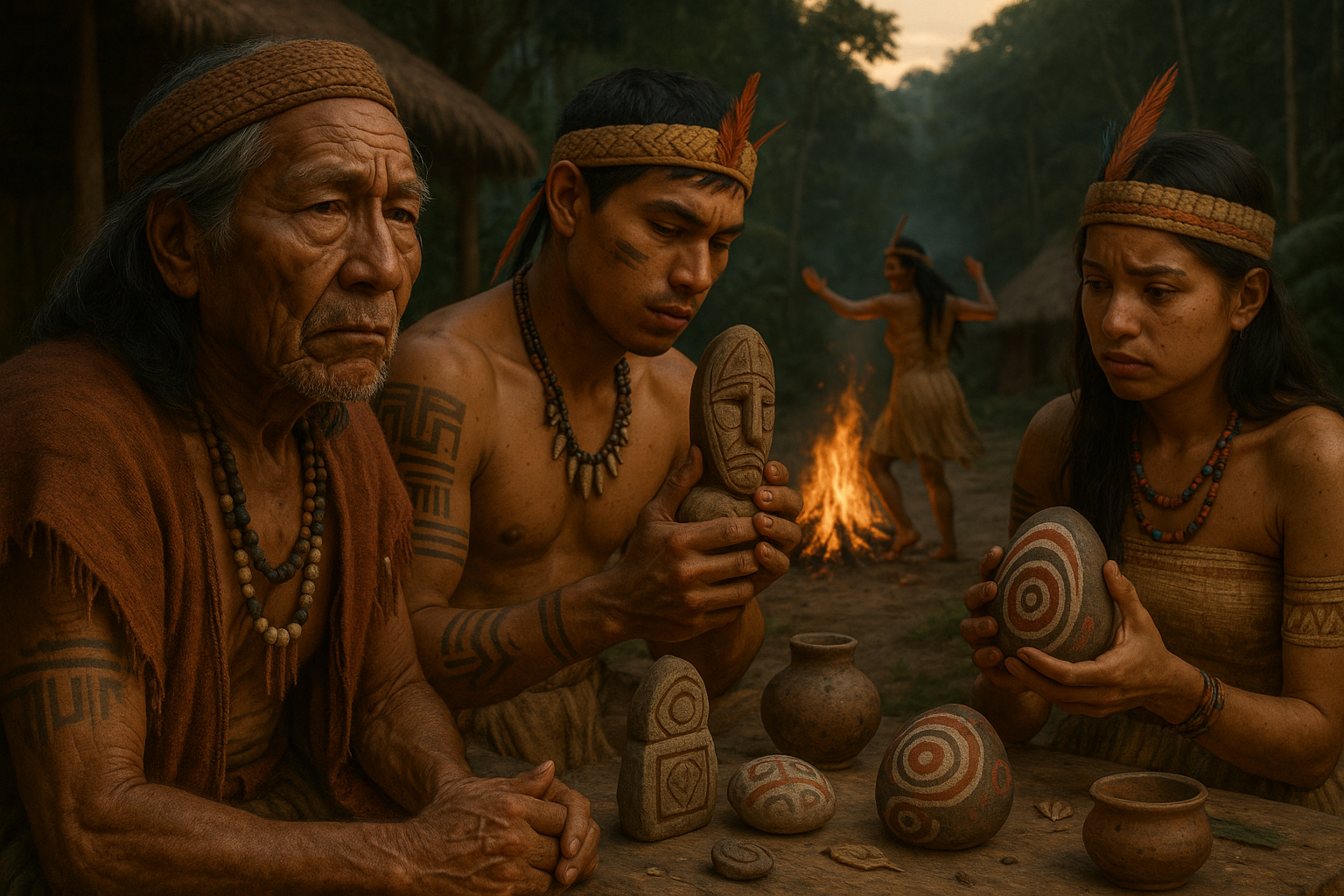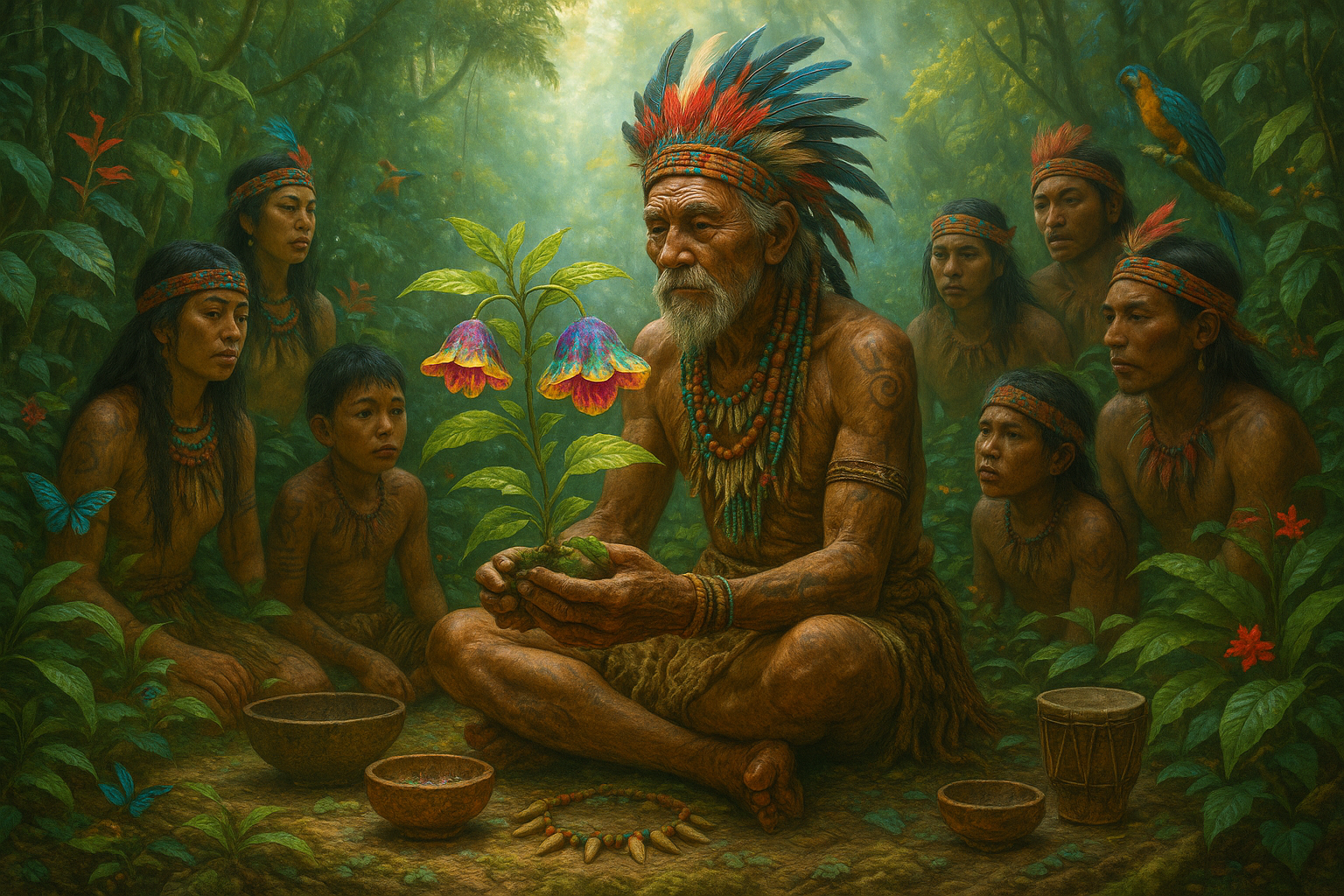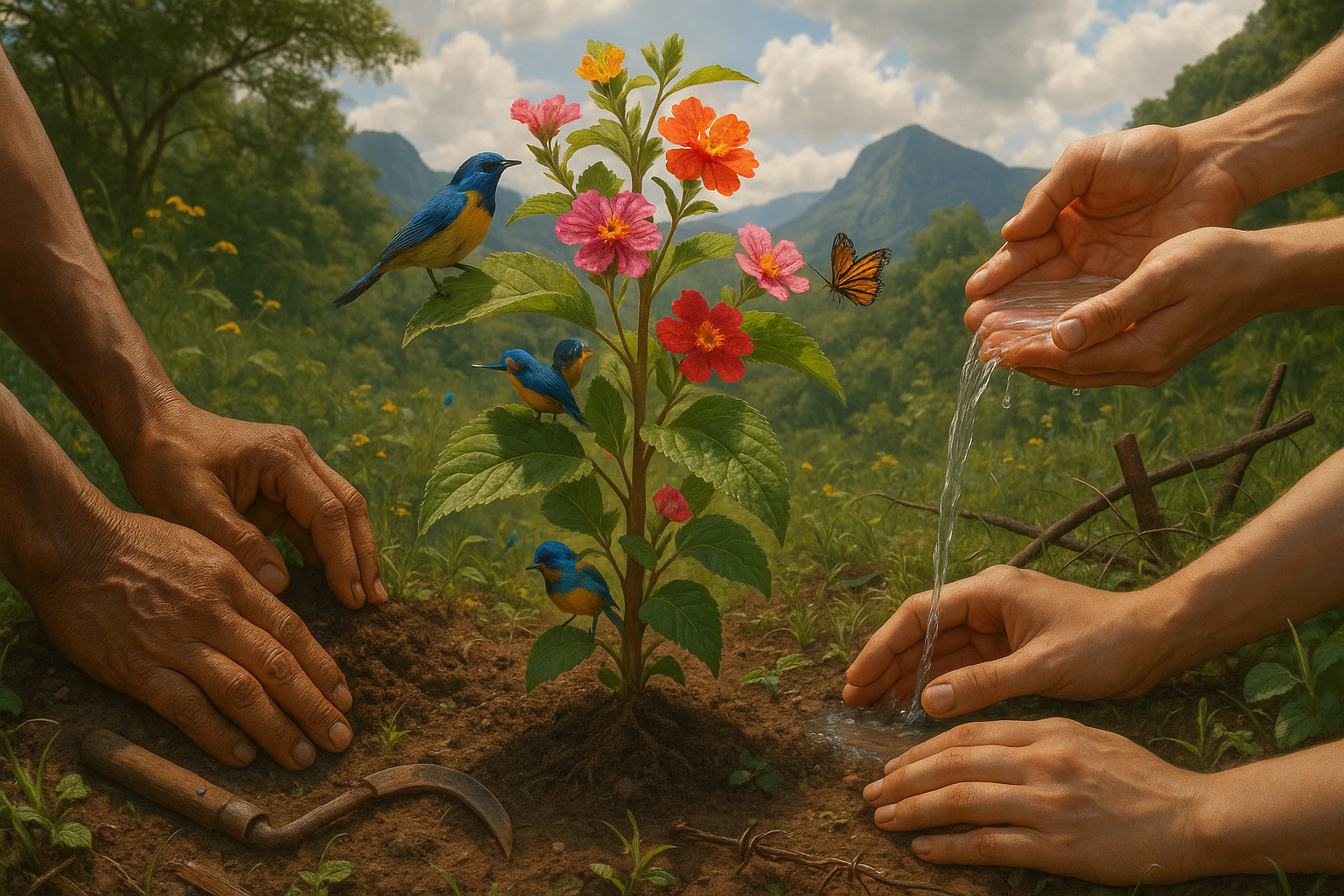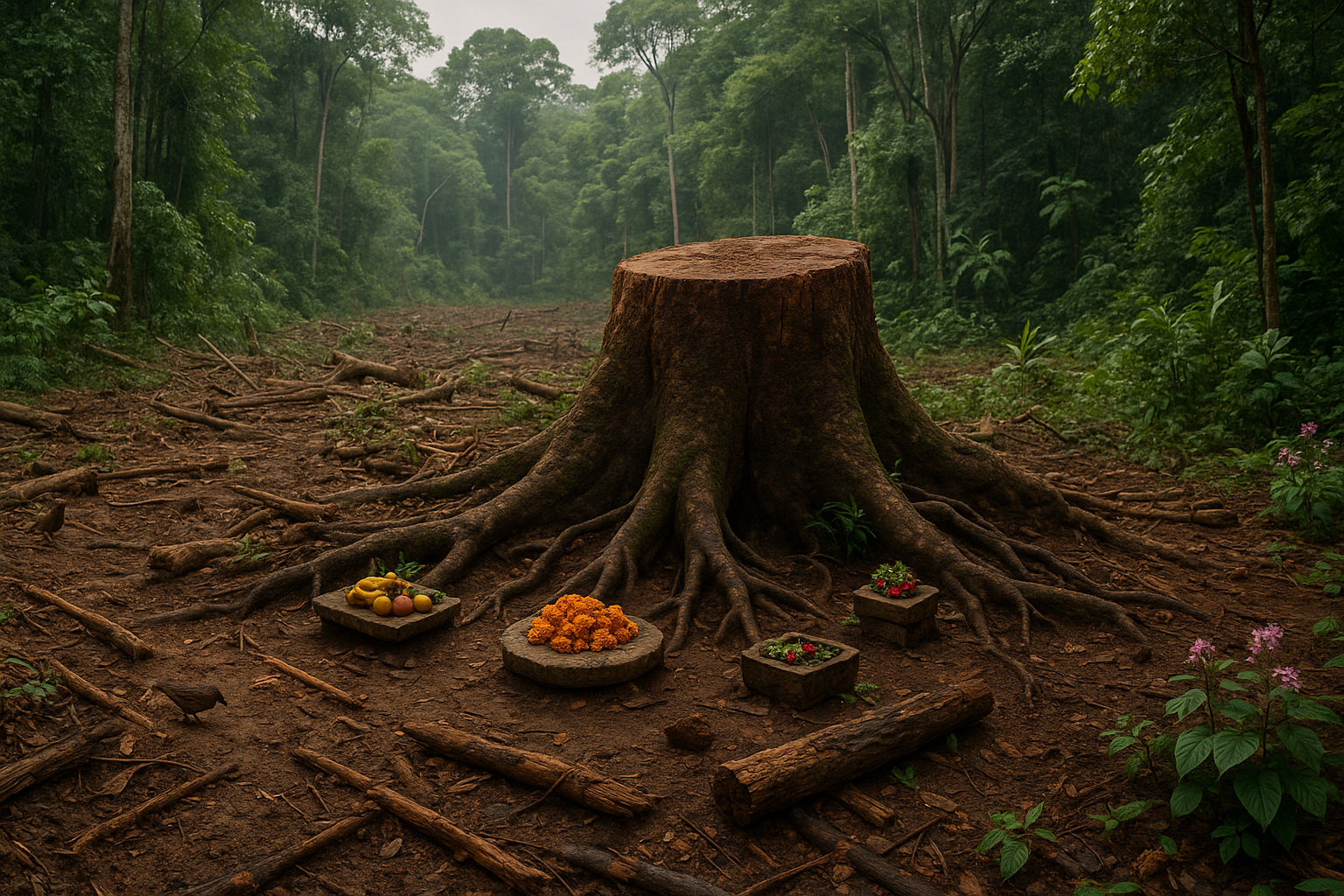
For centuries, the mystical allure of incense has woven itself into the fabric of countless cultures across the globe. Whether used in sacred rituals, as a tool for meditation, or simply to infuse spaces with its evocative aroma, incense holds a revered place in human history. But what if some of the most treasured incense trees, the very source of this aromatic tradition, have vanished from our planet? 🌿 This is the enigma we delve into today, unraveling the lost legacy of these disappeared trees and the ritual fires they once ignited.

The rich history of incense begins with the incense trees themselves, whose aromatic resins have been cherished for thousands of years. These trees, now scarce or extinct, were once abundant in regions that today might seem unlikely. From the arid landscapes of the Arabian Peninsula to the lush terrains of Southeast Asia, these trees held secrets of both their unique ecological niches and their profound cultural significance. As we journey through this narrative, you’ll discover how these lost trees are intertwined with ancient trade routes, spiritual practices, and even early forms of economic exchange.
But why have these trees disappeared? The answer is as complex as the resins they produced. Environmental changes, human exploitation, and shifts in trade patterns have all played roles in their decline. We’ll explore the fascinating yet sobering tale of how human activity and nature’s unpredictability led to the gradual disappearance of these botanical treasures. This exploration serves as a reminder of the delicate balance between nature and civilization—a balance that is all too easy to disrupt.
The cultural implications of these lost trees are equally profound. Incense was not merely a product; it was a symbol of status, a medium of spiritual connection, and a catalyst for trade and interaction between diverse cultures. From the temples of ancient Egypt to the sacred spaces of Indian sages, the burning of incense was a ritual steeped in meaning. The fires ignited by these resins were more than just sources of fragrance; they were ceremonial flames that connected humans to the divine. 🔥
In this article, we will illuminate the historical contexts in which these incense trees flourished and then faded. We’ll delve into the stories of the civilizations that cherished them and examine the archaeological and botanical evidence that remains. Our exploration will take us through ancient manuscripts, travel logs, and even modern scientific studies that seek to reconstruct the past and understand what was lost.
Moreover, the disappearance of these trees and their precious resins poses an intriguing question for modern society: how do we preserve what remains and prevent future losses? We’ll explore contemporary efforts in conservation, the revival of traditional practices, and the role of sustainable harvesting in ensuring that these cultural and ecological legacies endure.
Join us on this captivating journey as we uncover the mysteries behind the vanished incense trees and the ceremonial fires they once kindled. By the end of this article, you will have gained a deeper understanding of the intricate tapestry of history, culture, and nature that these trees represent. This isn’t just a tale of what was lost—it’s a call to action to preserve what remains, ensuring that the aromatic whispers of the past continue to echo in the rituals of today. 🌺
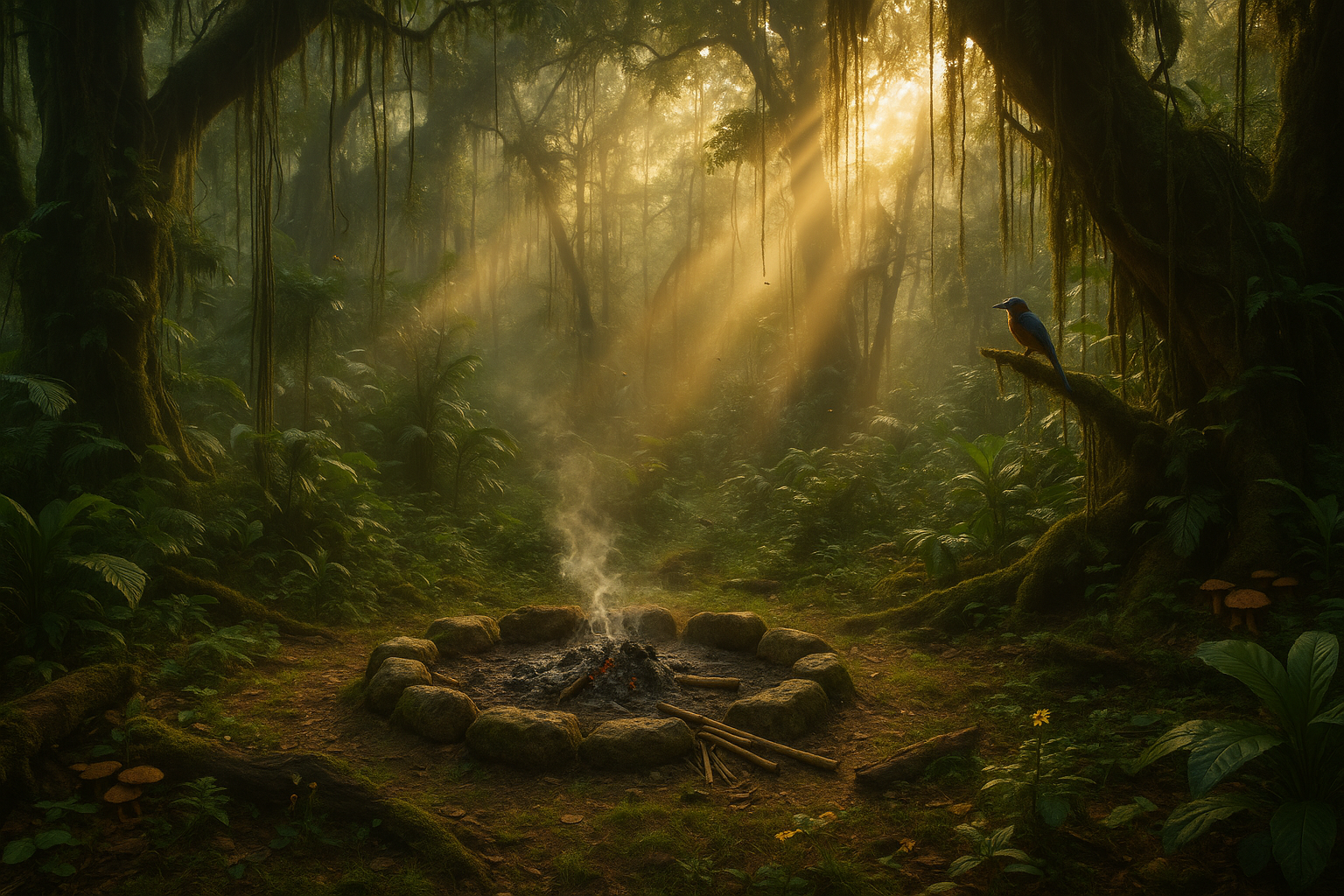
Conclusion: The Enduring Mystery and Legacy of Incense Trees 🌳🔥
In delving into the enigmatic history of the lost incense trees and the ritual fires they kindled, we’ve journeyed through time, uncovering fascinating details about these once-sacred plants. These trees, which played a pivotal role in various ancient civilizations, were more than just sources of fragrant smoke. They were central to spiritual practices, trade economies, and cultural exchanges across the world. From the lands of Arabia to the coasts of India and beyond, incense trees were revered for their unique properties and the profound impacts they had on societies.
Our exploration highlighted the cultural significance of these trees, illustrating how they were integral to religious rituals and ceremonies. The aroma of burning incense was believed to carry prayers to the divine, creating a bridge between the earthly and the celestial. This sacred smoke not only facilitated spiritual communication but also fostered communal bonds during gatherings and celebrations.
Moreover, we examined the economic impact of incense trade routes, which were as crucial as the Silk Road in connecting distant lands. Merchants and traders profited greatly from the exchange of incense, which was often more valuable than gold. This ancient trade fostered intercultural dialogue and the spread of knowledge, further underlining the trees’ historical importance.
As we uncover the environmental challenges that contributed to the decline of these mystical trees, we recognize the need for preservation and sustainable practices. Overharvesting, climate change, and habitat destruction were pivotal in the dwindling numbers of these species, reminding us of the fragility of nature and the importance of conservation efforts today.
The mystery surrounding the lost legacy of incense trees serves as a reminder of the interconnectedness of human culture, economy, and the environment. It urges us to reflect on our own practices and the ways in which we can contribute to preserving cultural and natural heritages. As we move forward, it is imperative that we apply the lessons learned from the past to ensure a sustainable future.
We invite you to share your thoughts on this topic. How do you see the role of traditional practices in modern society? What steps can we take to preserve our natural and cultural heritage? 💬 Share your insights in the comments below, and let’s continue this important conversation.
If you found this exploration intriguing, consider sharing it with others who might appreciate the blend of history, culture, and environmental awareness. Together, we can keep the legacy of the incense trees alive, sparking new fires of understanding and appreciation. 🔥
For further reading, explore these resources to deepen your understanding:
- The Role of Incense in Ancient Rituals
- The Economic Significance of Incense Trade
- Conservation Efforts for Endangered Plant Species
Please replace the placeholder links with active, credible sources to ensure that your readers have access to reliable information. Adjust the text as needed to fit the specific content and tone of your article.